01 / Sketchbook
'%3e%3cpath%20id='Path_1'%20data-name='Path%201'%20d='M94.835,174.668c-6.51-.164-13.026-.206-19.531-.521-8.113-.393-16.206-1.079-24.252-2.257a195.119,195.119,0,0,1-27.08-5.769,79.649,79.649,0,0,1-15.269-6.1,23.4,23.4,0,0,1-6.025-4.414,8.883,8.883,0,0,1-2.614-4.874A7.2,7.2,0,0,1,1.047,146a14.424,14.424,0,0,1,3.629-3.994,31.163,31.163,0,0,1,5.8-3.534,82.418,82.418,0,0,1,16.167-5.66,196.9,196.9,0,0,1,24.441-4.4q9.744-1.191,19.545-1.786c11.371-.683,22.747-.886,34.126-.477q9.807.351,19.595,1.19c7.5.633,14.982,1.536,22.4,2.887a128.826,128.826,0,0,1,23.488,6.329,47.554,47.554,0,0,1,8.982,4.5,18.4,18.4,0,0,1,3.69,3.1,8.3,8.3,0,0,1,2.369,5.889,7.643,7.643,0,0,1-1.5,4.311A16.8,16.8,0,0,1,179.5,158.4a52.992,52.992,0,0,1-11.109,5.515,131.815,131.815,0,0,1-19.634,5.521,185.711,185.711,0,0,1-18.672,3.121c-4.607.507-9.227.914-13.848,1.279-7.121.566-14.258.686-21.4.833Zm-58.3-41.72c-.348.064-.541.089-.725.137a59.829,59.829,0,0,0-8.8,2.873,41.782,41.782,0,0,0-7.814,4.18,17.9,17.9,0,0,0-4.59,4.434,8.745,8.745,0,0,0-.134,10.178,16.159,16.159,0,0,0,1.586,2.009,21.927,21.927,0,0,0,5.51,4.281,63.055,63.055,0,0,0,15.317,5.928,10.827,10.827,0,0,0,2.82.357q33.552-.063,67.106-.106c12.862-.014,25.726.006,38.588-.017a13.834,13.834,0,0,0,3.325-.34,58.781,58.781,0,0,0,14.7-5.618,21.808,21.808,0,0,0,7.324-6.193,8.5,8.5,0,0,0,.474-9.9,16.113,16.113,0,0,0-5.223-5.29,52.292,52.292,0,0,0-16.61-6.834.754.754,0,0,0-.32.053c.332,1.864.7,3.668.961,5.485a33.128,33.128,0,0,1,.4,5.616H35.229a48.921,48.921,0,0,1,1.307-11.228Z'%20transform='translate(0%20-90.84)'%20fill='%23f8f8f8'/%3e%3cpath%20id='Path_2'%20data-name='Path%202'%20d='M253.421,94.83H152.49a5.679,5.679,0,0,1,.217-.638c.649-1.254,1.321-2.5,1.954-3.762a1.494,1.494,0,0,1,1.622-.948c1.179.084,2.366.022,3.551.022q44.55-.008,89.1-.011c1.864,0,1.4-.254,2.349,1.36.73,1.237,1.363,2.531,2.132,3.977Z'%20transform='translate(-109.999%20-64.542)'%20fill='%23f8f8f8'/%3e%3cpath%20id='Path_3'%20data-name='Path%203'%20d='M168.033,316.854c.839-.22,91.294-.248,92.3-.031a5.322,5.322,0,0,1-.326.588c-.948,1.3-1.934,2.581-2.848,3.9a1.963,1.963,0,0,1-1.825.881c-8.026-.022-16.05-.011-24.076-.008q-28.861.008-57.725.036a2.53,2.53,0,0,1-2.26-1.051c-.964-1.29-1.979-2.542-2.965-3.815a3.486,3.486,0,0,1-.279-.507Z'%20transform='translate(-121.208%20-228.422)'%20fill='%23f8f8f8'/%3e%3cpath%20id='Path_4'%20data-name='Path%204'%20d='M267.869,50.163H185.63a3.047,3.047,0,0,1,.368-.577c1.469-1.413,2.951-2.809,4.42-4.219a1.918,1.918,0,0,1,1.432-.5c4.08.017,8.16.008,12.237.008q28.523,0,57.048-.031a3.293,3.293,0,0,1,2.779,1.081c1.037,1.187,2.2,2.266,3.294,3.4a10.615,10.615,0,0,1,.655.842Z'%20transform='translate(-133.903%20-32.346)'%20fill='%23f8f8f8'/%3e%3cpath%20id='Path_5'%20data-name='Path%205'%20d='M277.666,359.82c-.265.251-.412.418-.585.549-1.887,1.43-3.785,2.843-5.657,4.289a2.232,2.232,0,0,1-1.485.376q-8.979,0-17.956.008-18.055,0-36.107.011a3.706,3.706,0,0,1-2.38-.719c-1.731-1.3-3.484-2.581-5.231-3.865-.2-.15-.429-.273-.644-.407.056-.081.111-.162.167-.24h69.882Z'%20transform='translate(-149.765%20-259.544)'%20fill='%23f8f8f8'/%3e%3cpath%20id='Path_6'%20data-name='Path%206'%20d='M293.874,5.733H244.44C248.007,3.364,258.191.285,266.822.026,279.123-.342,289.287,2.893,293.874,5.733Z'%20transform='translate(-176.323%200)'%20fill='%23f8f8f8'/%3e%3cpath%20id='Path_7'%20data-name='Path%207'%20d='M241.363,222.513a2.415,2.415,0,0,0-.407-.1q-56.786-.017-113.569-.022a4.171,4.171,0,0,0-.491.045c-.028,0-.053.036-.078.059s-.045.045-.128.134A31.4,31.4,0,0,0,127.819,229H240.466a34.8,34.8,0,0,0,.9-6.491Z'%20transform='translate(-91.389%20-160.414)'%20fill='%23f8f8f8'/%3e%3cpath%20id='Path_8'%20data-name='Path%208'%20d='M277.26,396.48a11.57,11.57,0,0,0,3.191,1.614h-.008a.47.47,0,0,1,.059.02,32.875,32.875,0,0,0,9.122,1.722q1.689.117,3.394.106s9.921.265,17.479-3.461Z'%20transform='translate(-199.996%20-285.987)'%20fill='%23f8f8f8'/%3e%3c/g%3e%3c/svg%3e)
Selected work
Original world development
Character creation · Book · Entertainment · DreamWorks series
Archibald’s Next Big Thing
A character that began in Victor’s sketchbook became a children’s book with Tony Hale, then a DreamWorks animated series.
The origin
From sketchbook oddball to animated world.
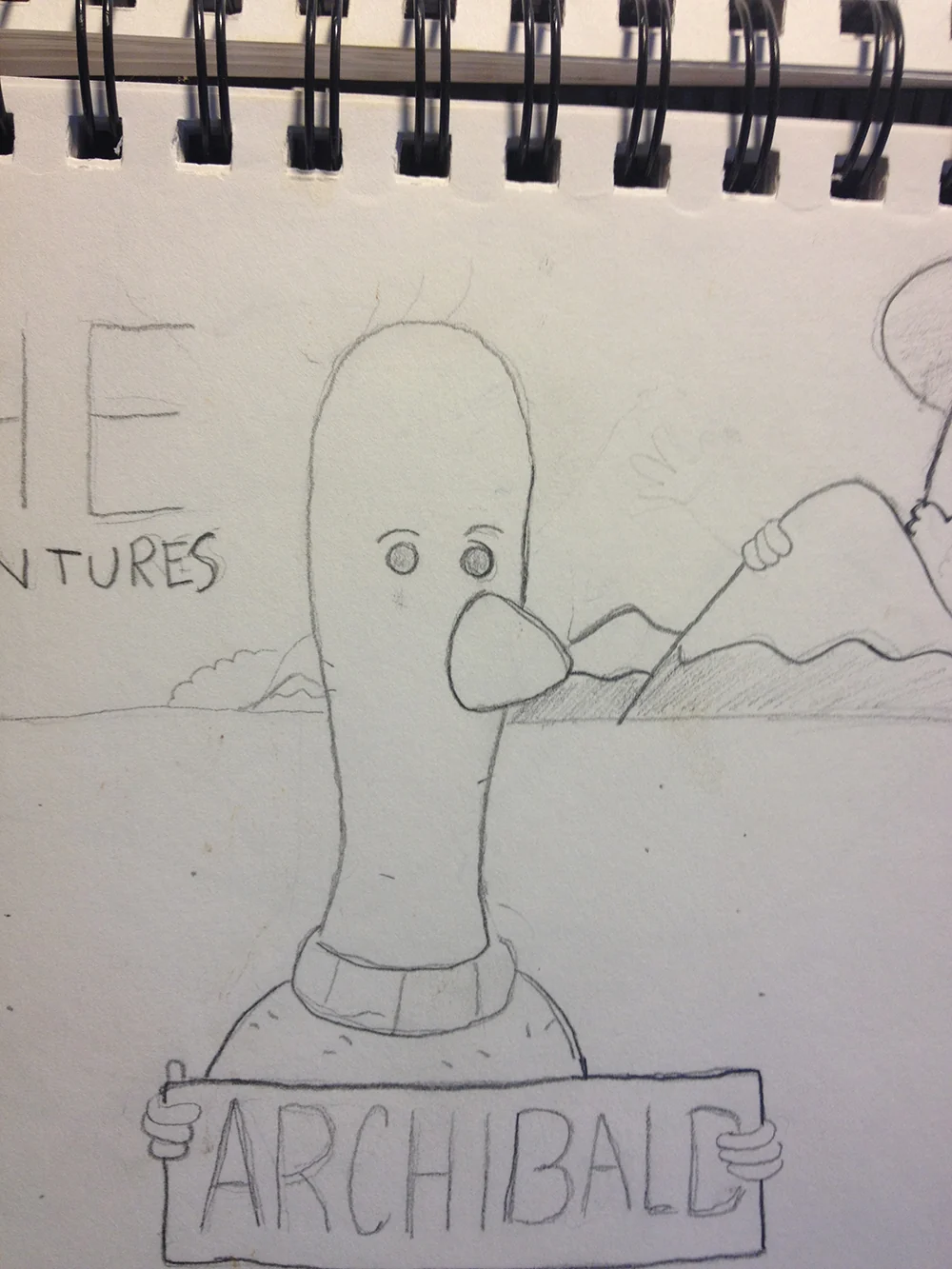
Archibald started as a character Victor kept drawing in 2009, named after his great-grand uncle. He was strange in the right way: open-hearted, curious, and always ready to wander into the next thing.
What began as a private sketchbook rhythm became a larger story when Victor and Tony Hale shaped Archibald into a children’s book, released in 2015.
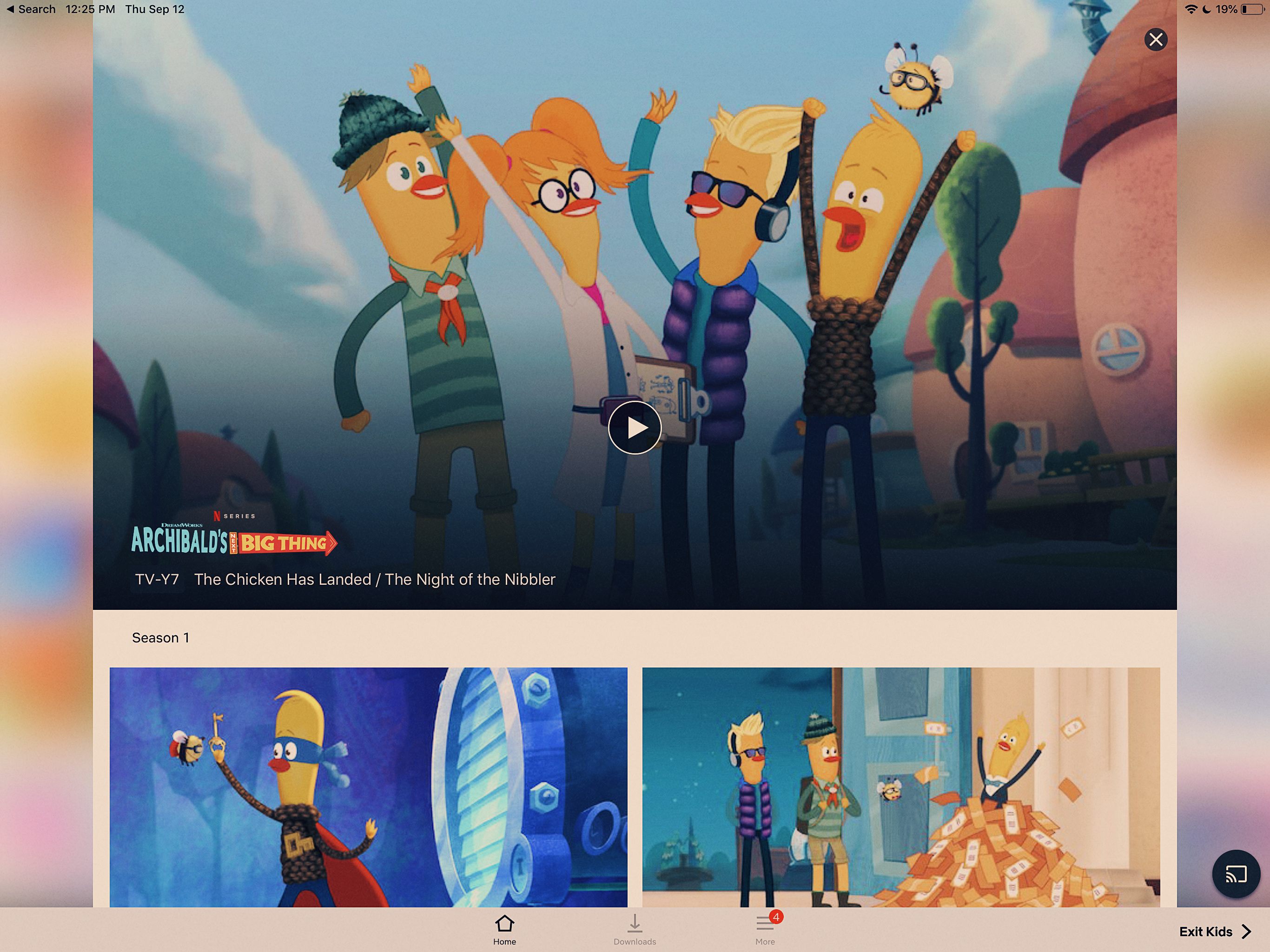
A few years later, DreamWorks Animation adapted the world into an animated series. The first episode released on Netflix, and the show has since found a new home on Peacock TV.
The path
A small character had to hold a big emotional engine.
02 / Book
The idea found a story.
Victor and Tony Hale shaped the character into a children’s book, giving Archibald a world, a voice, and a reason to wander.03 / Screen
The world got bigger.
DreamWorks Animation adapted the book into an animated series that first released on Netflix and later became available on Peacock TV.From the archive
Original development material · 2009 onward
The receipts of a world becoming real.
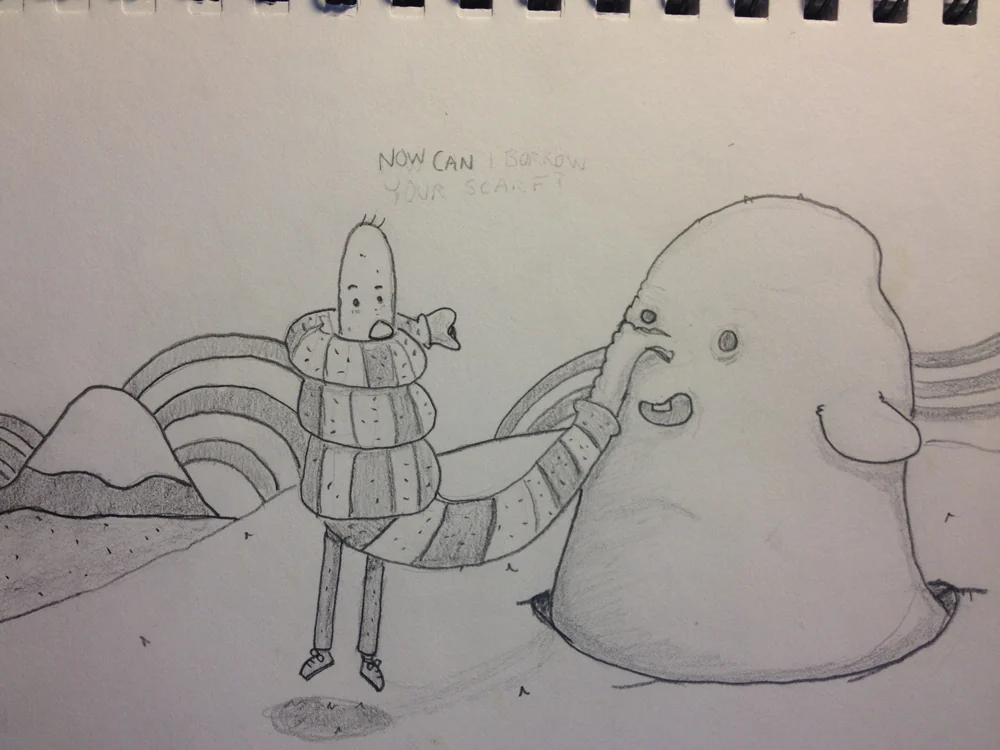
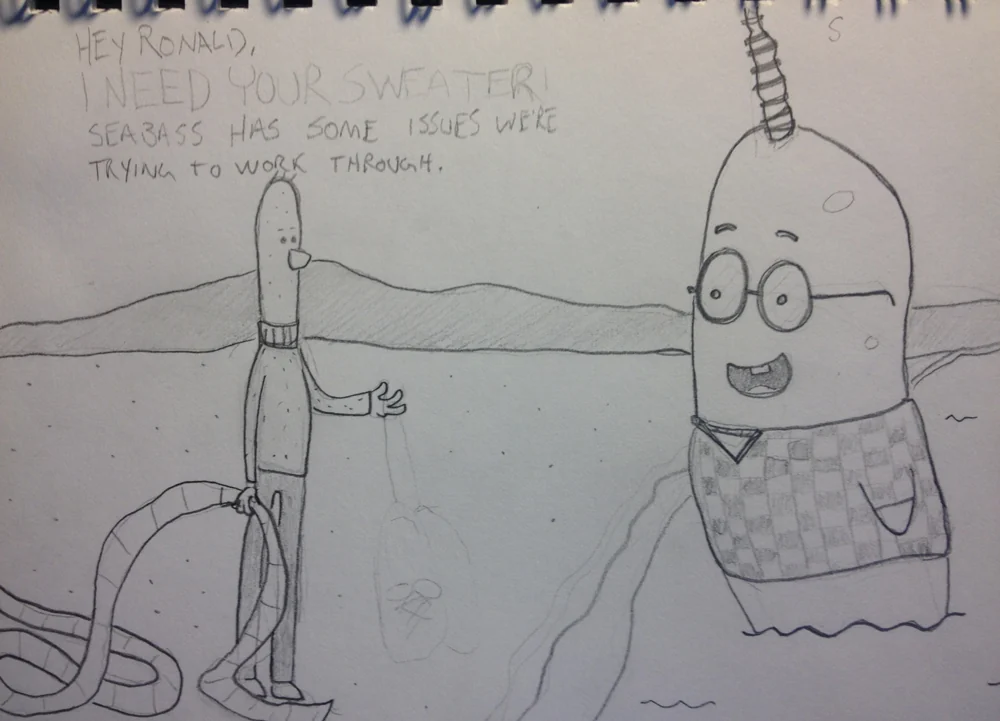
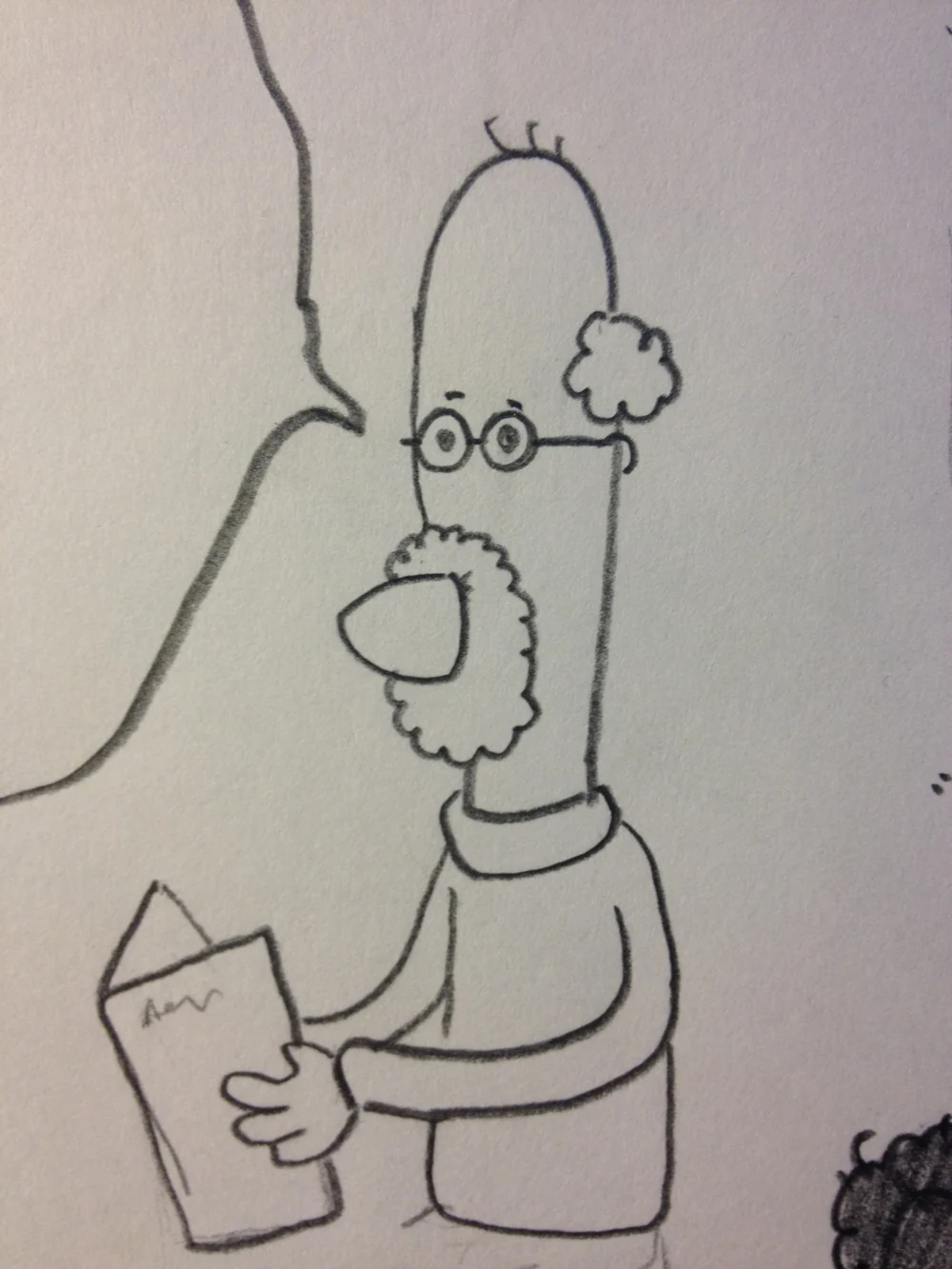
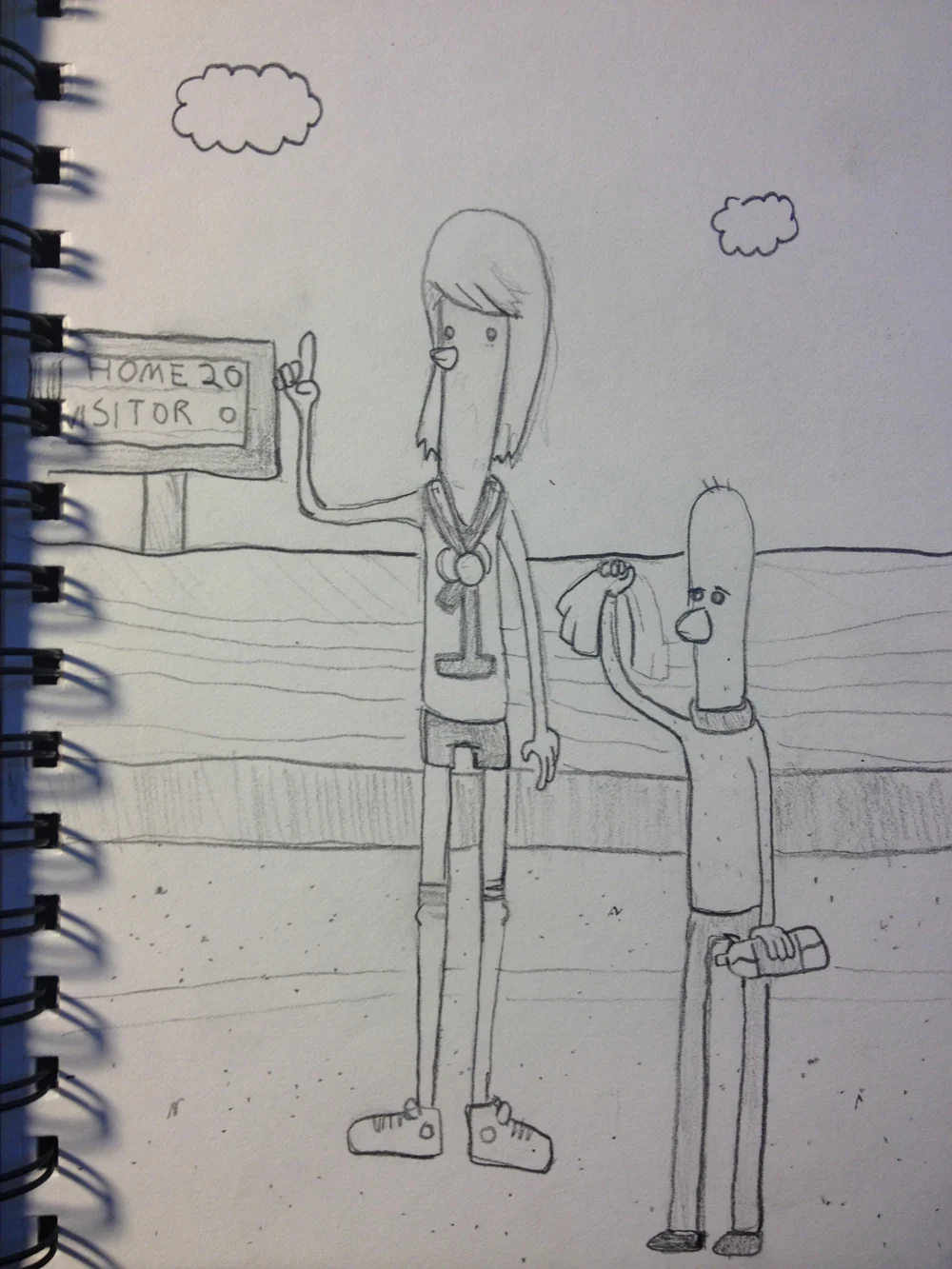
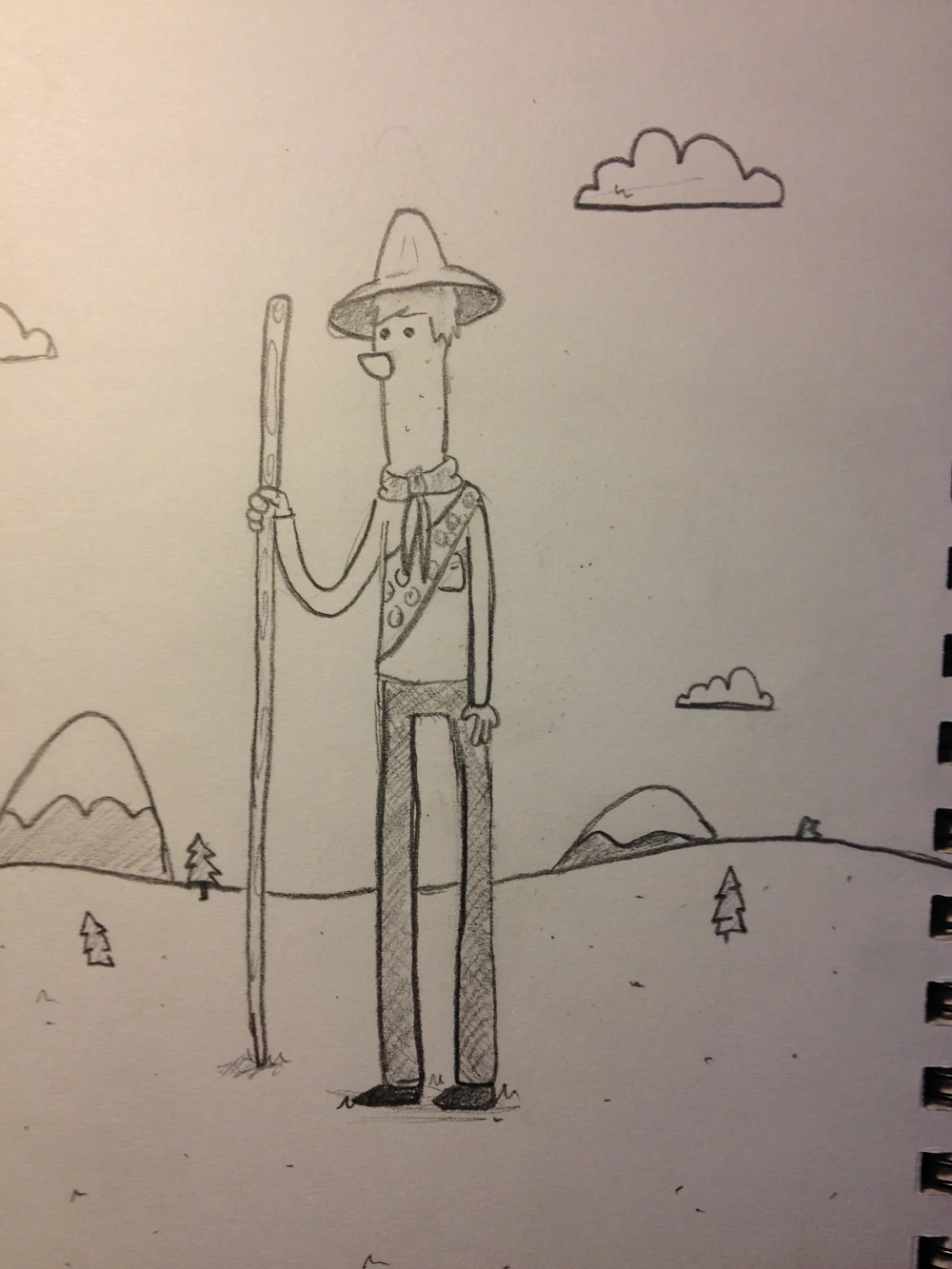
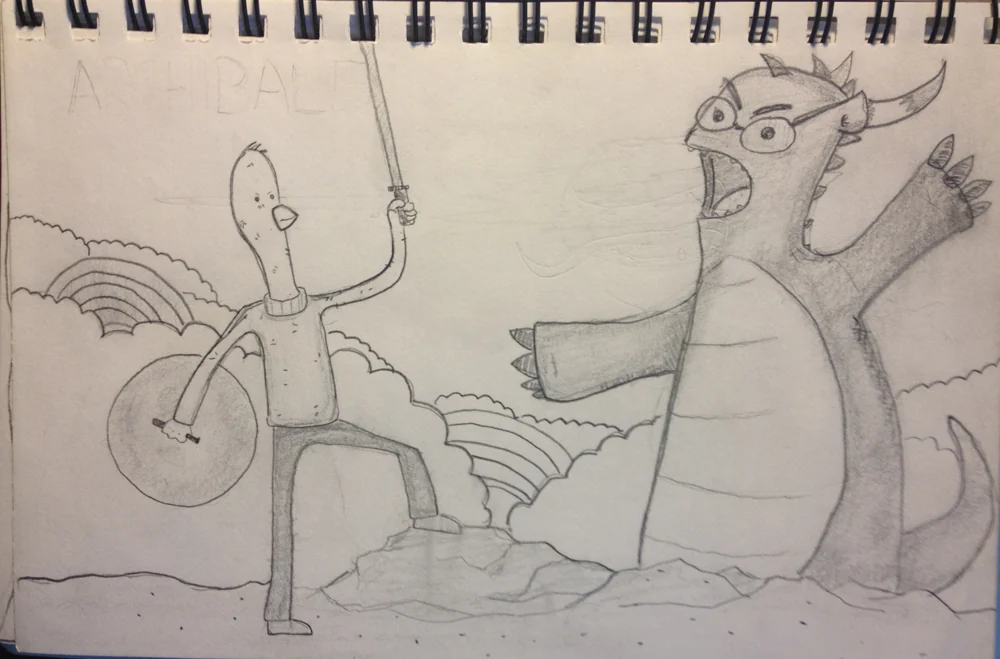
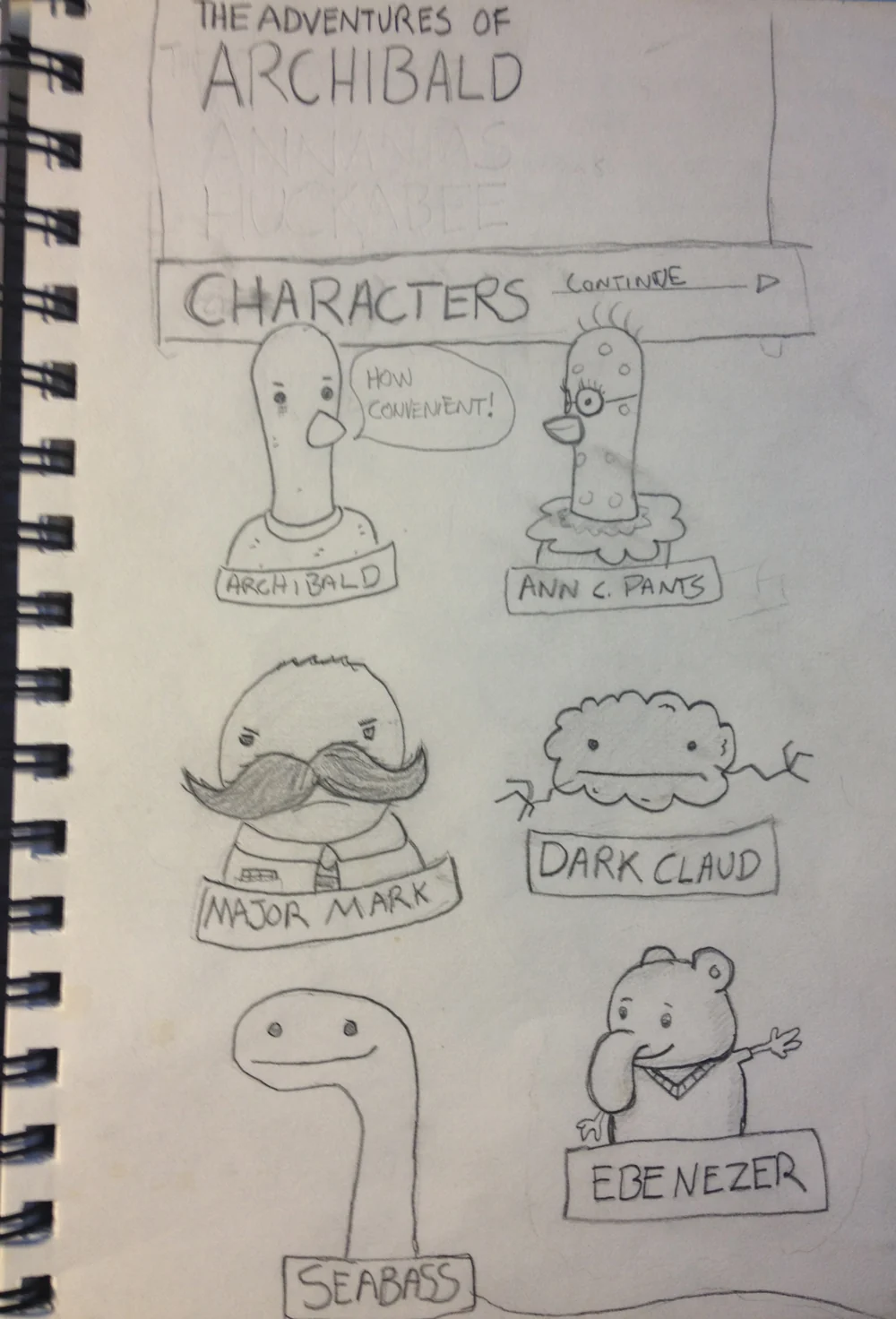
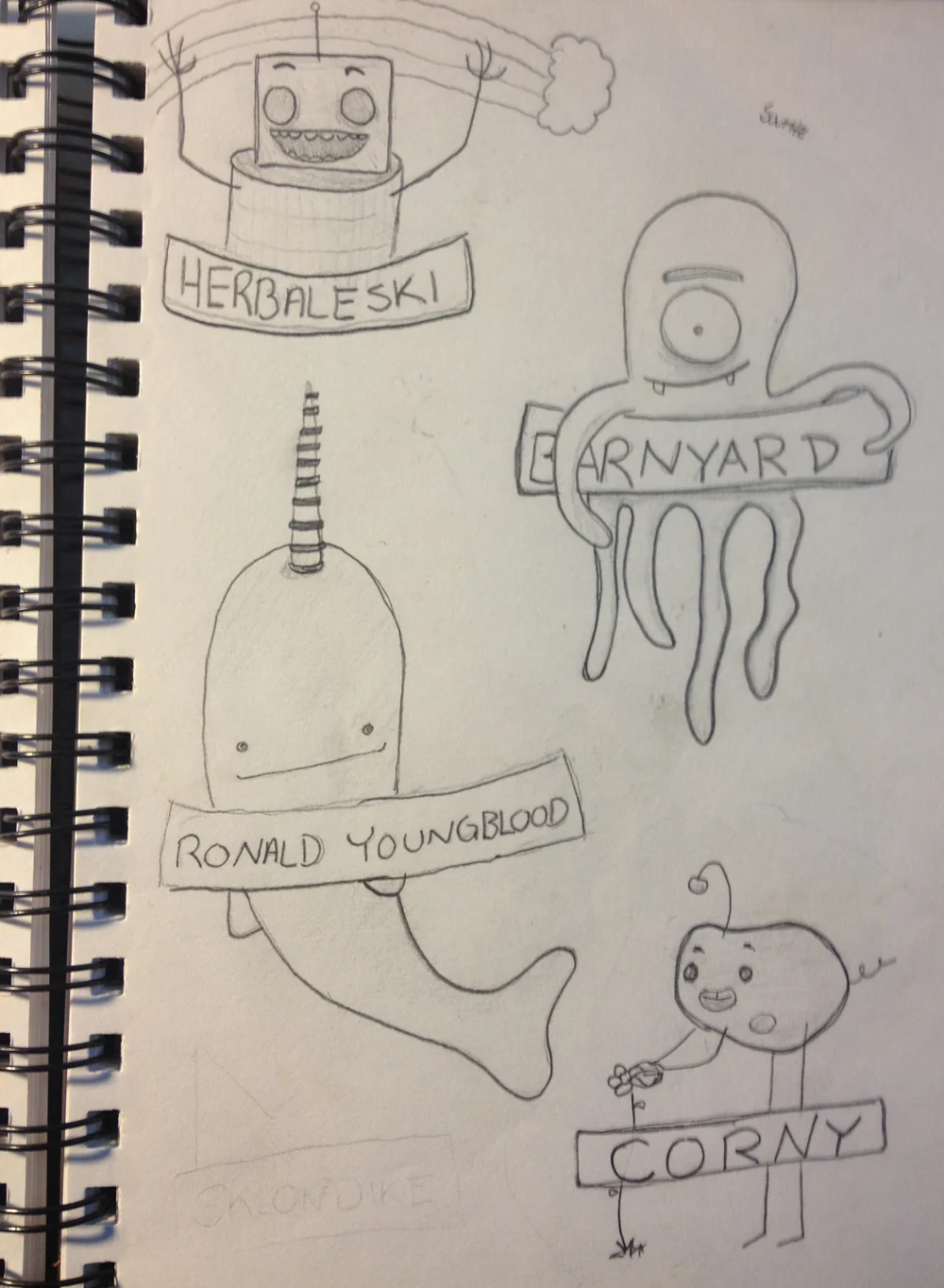
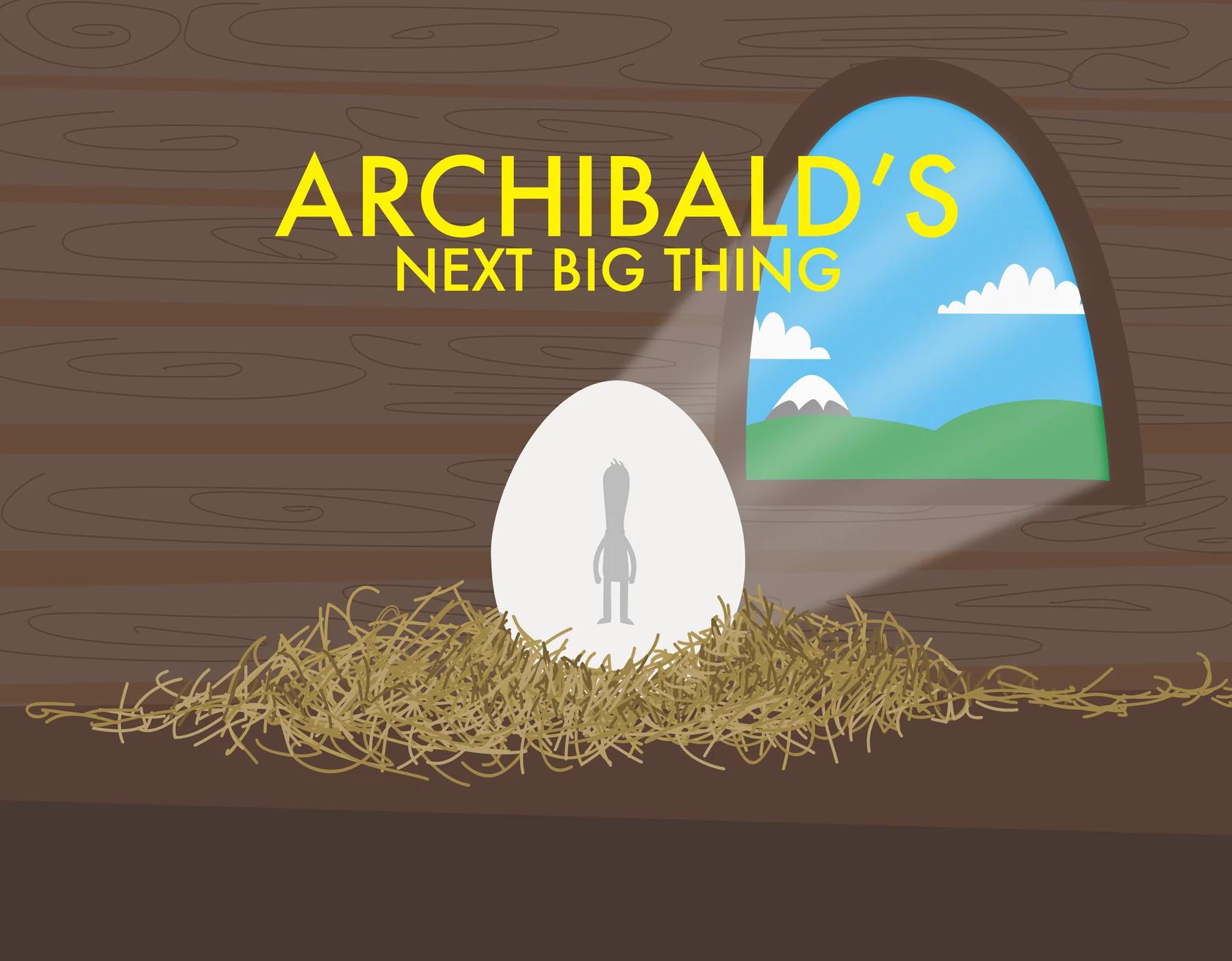
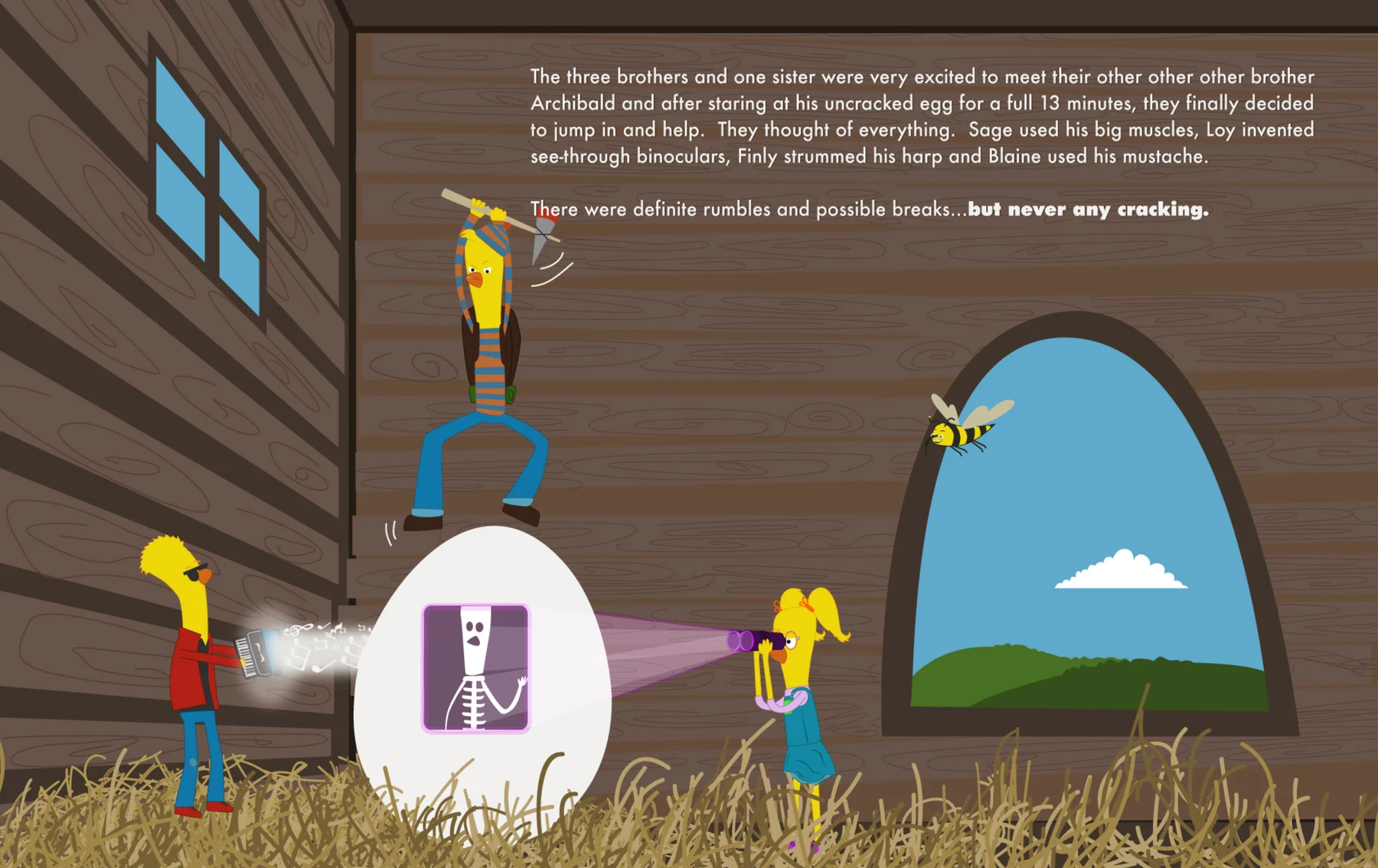
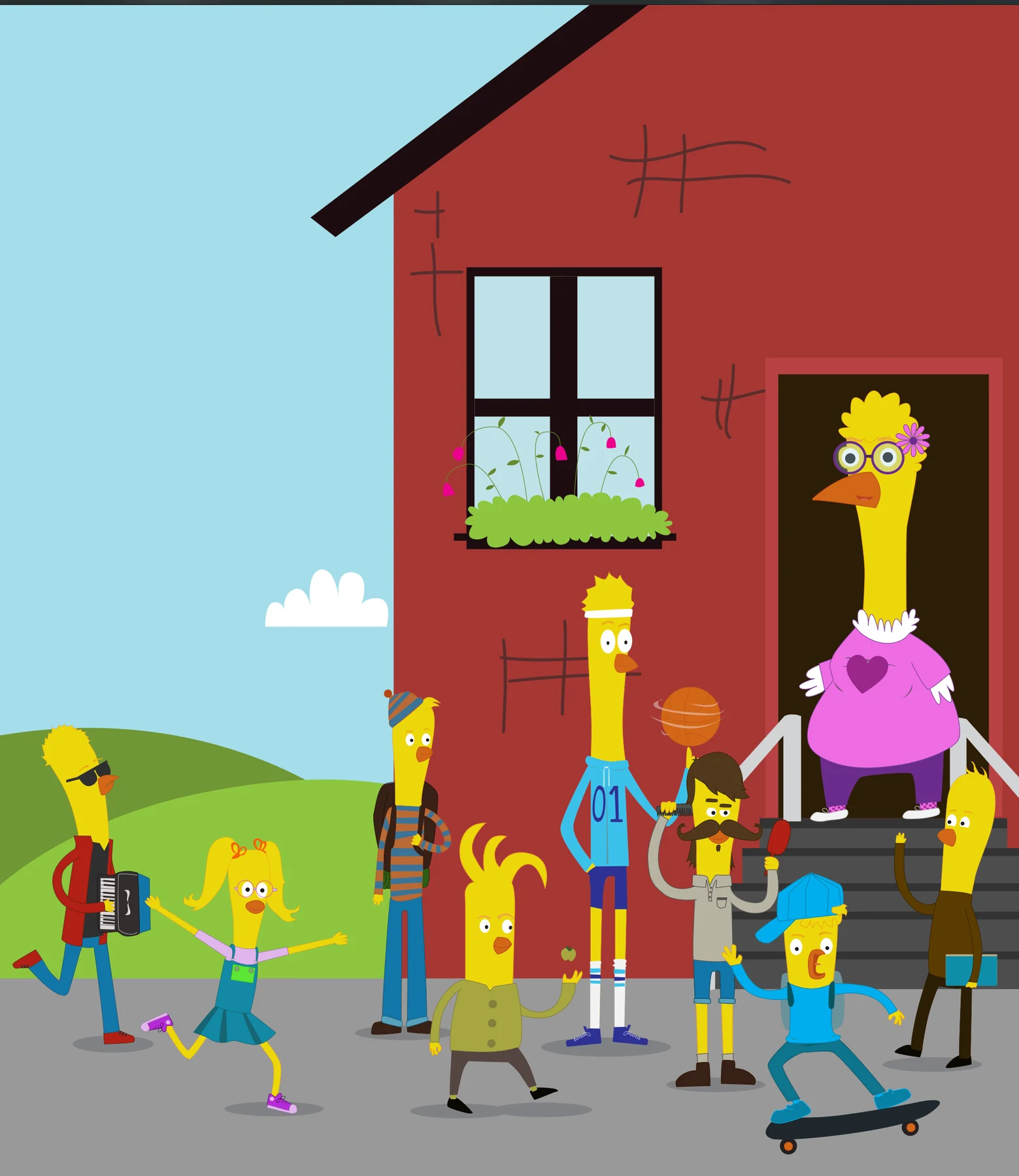
These are not retrospective recreations. They are working pages: the repeated silhouettes, half-formed relationships, side characters, and stray story ideas that accumulated before Archibald had a book spine or a screen credit.
01 / Character discovery
A private sketchbook rhythm, drawn until it started to feel like a world.
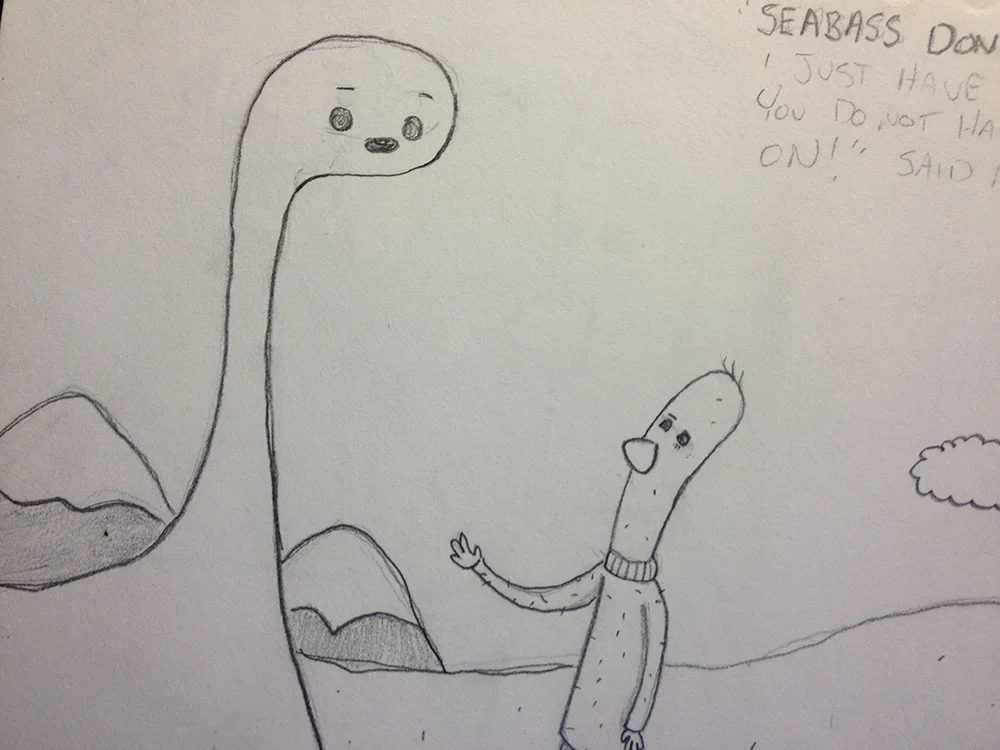
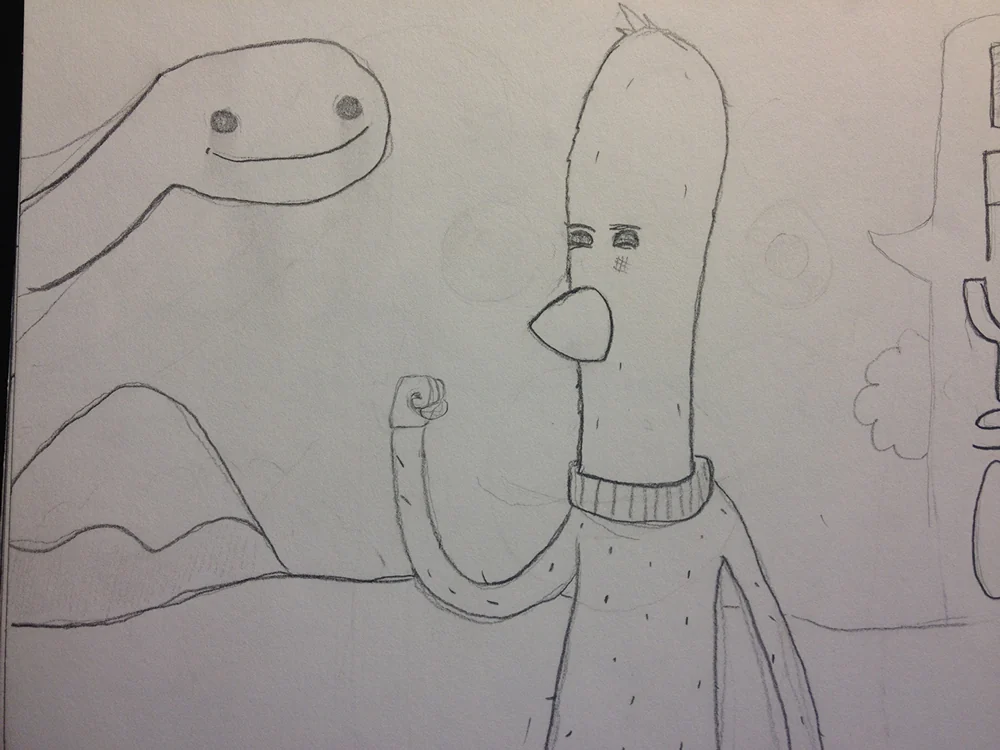
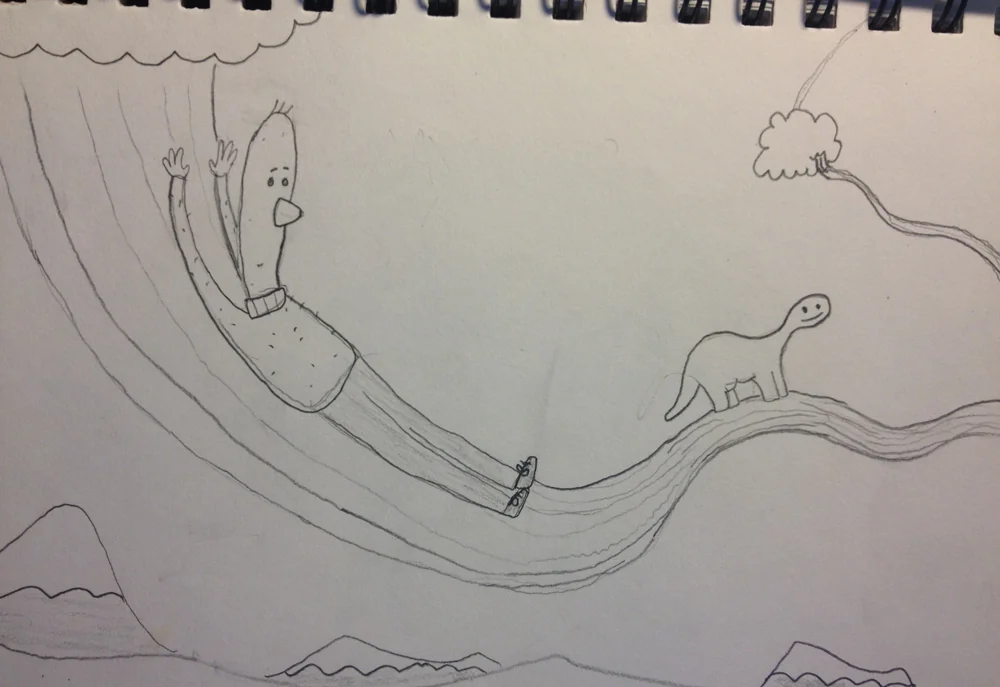
02 / The first visual world
Early story frames tested whether the character could carry something larger.
The book
Before the series, there was a book with a very odd little hero.
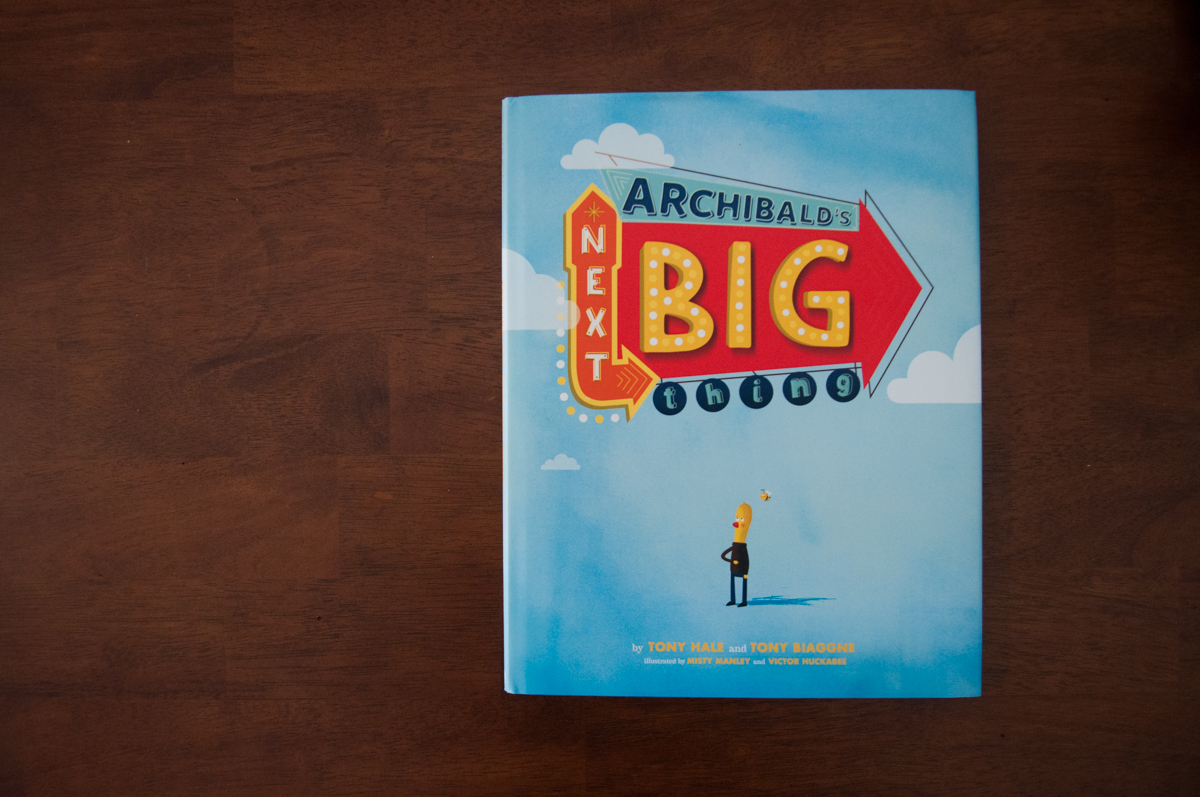
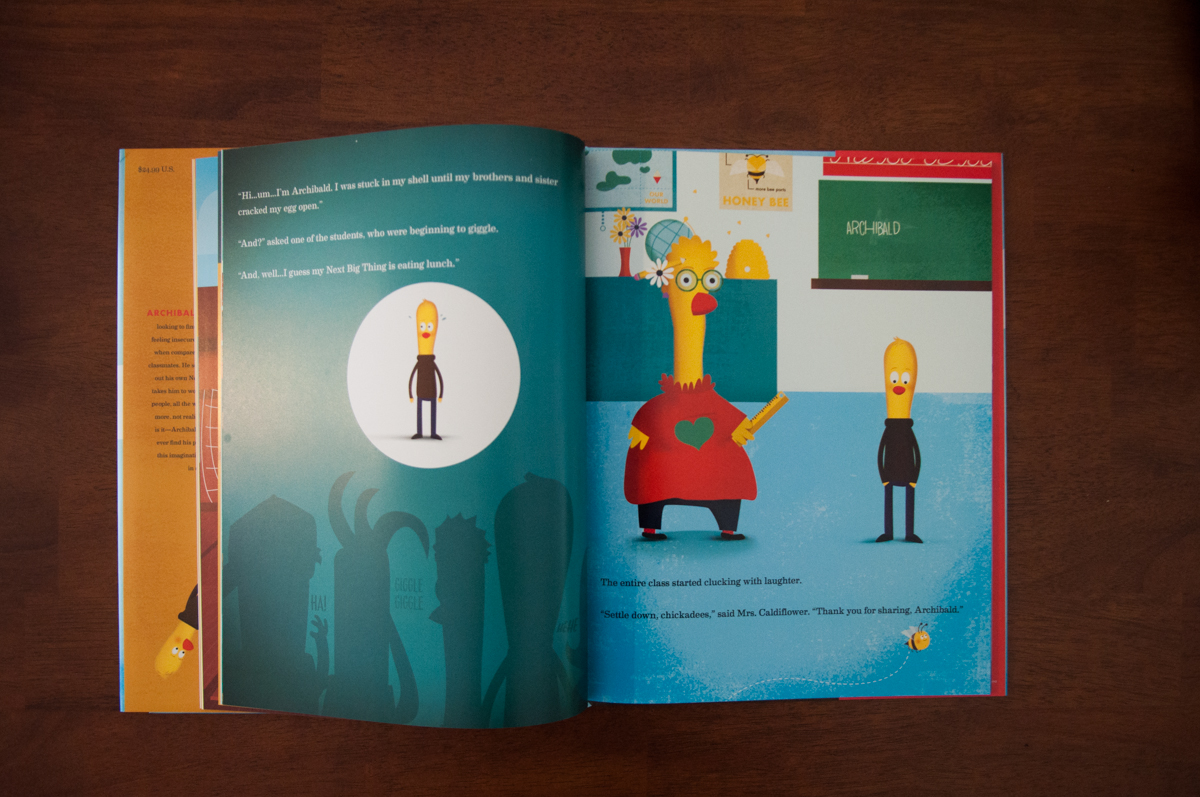
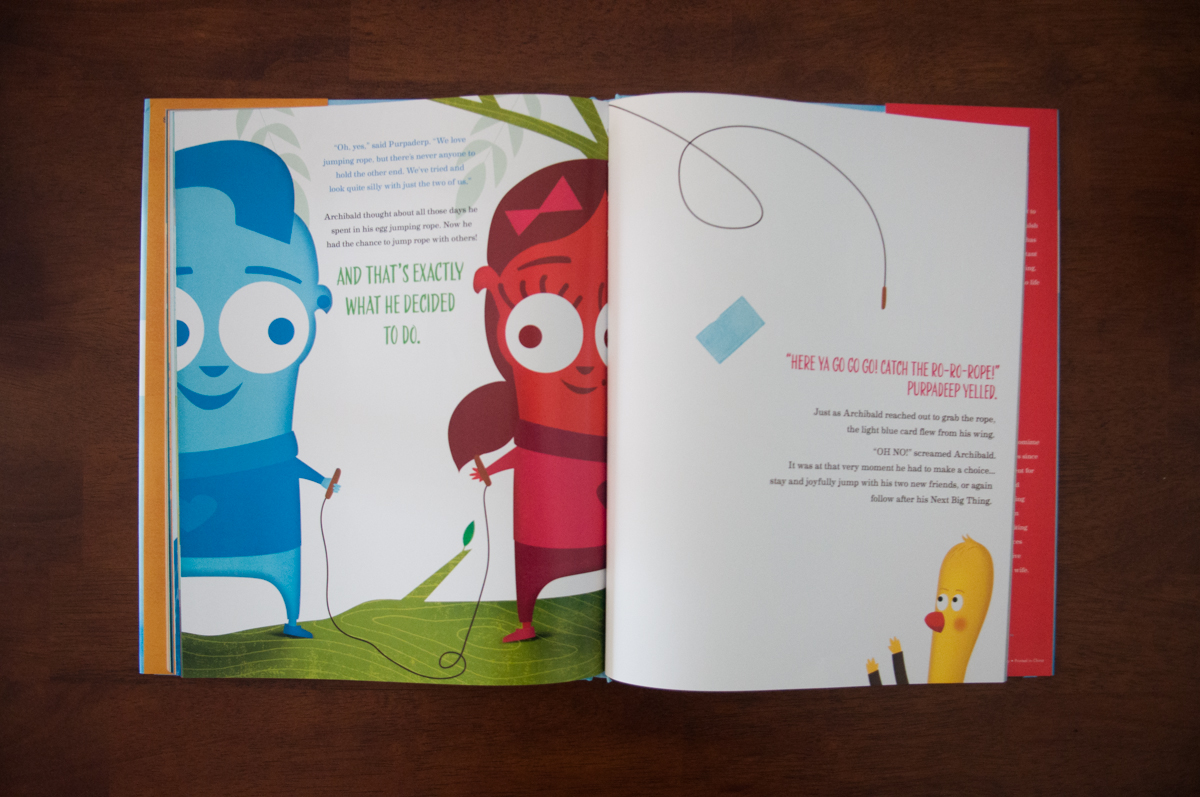
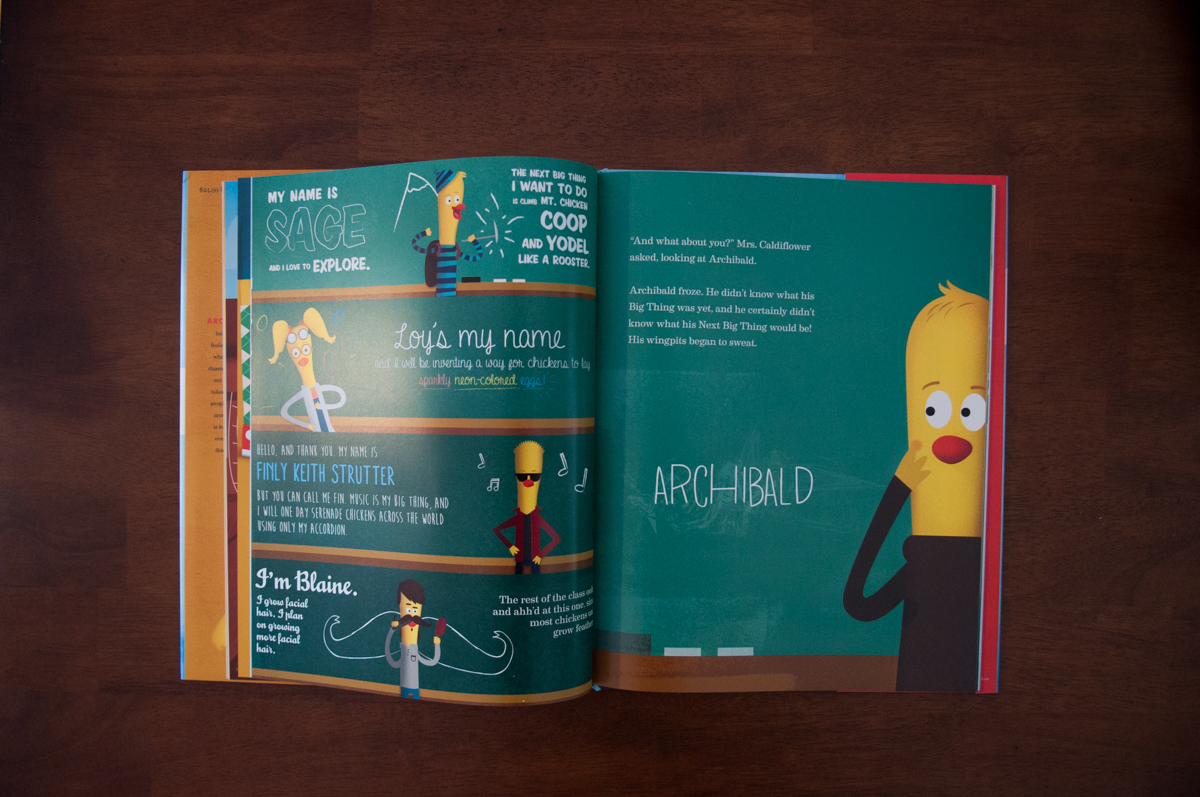
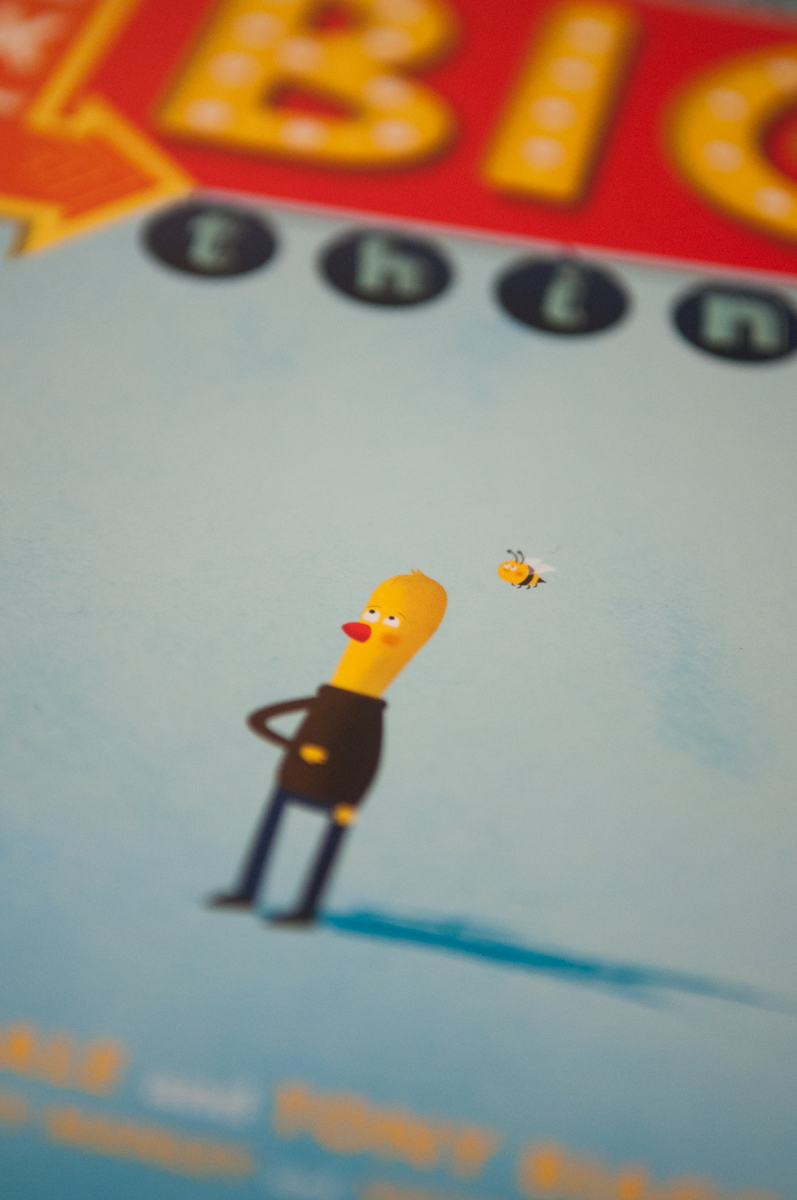
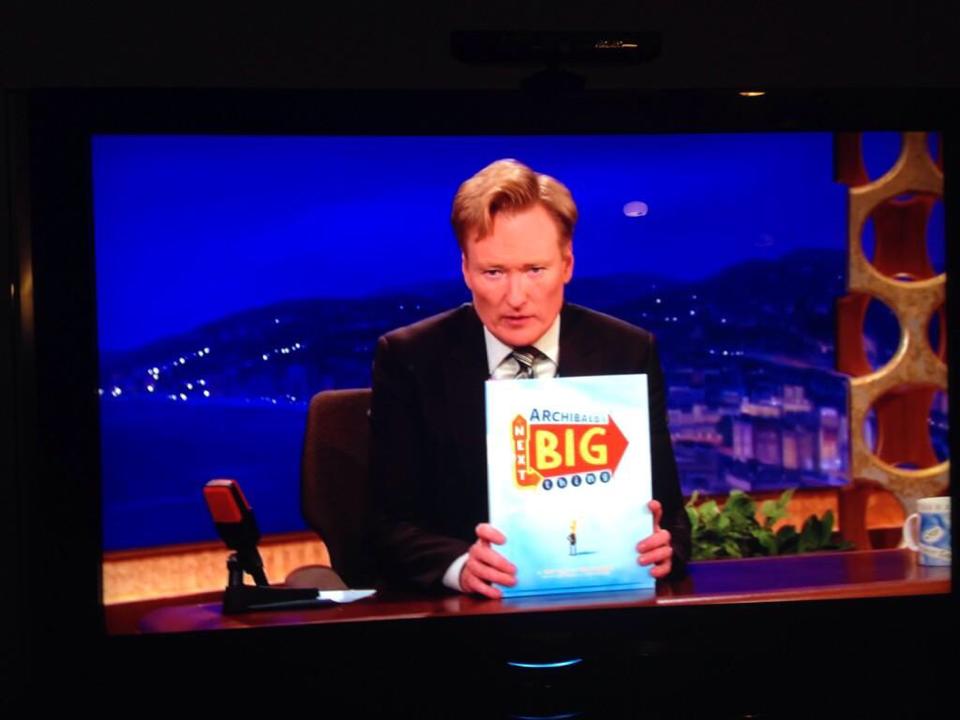
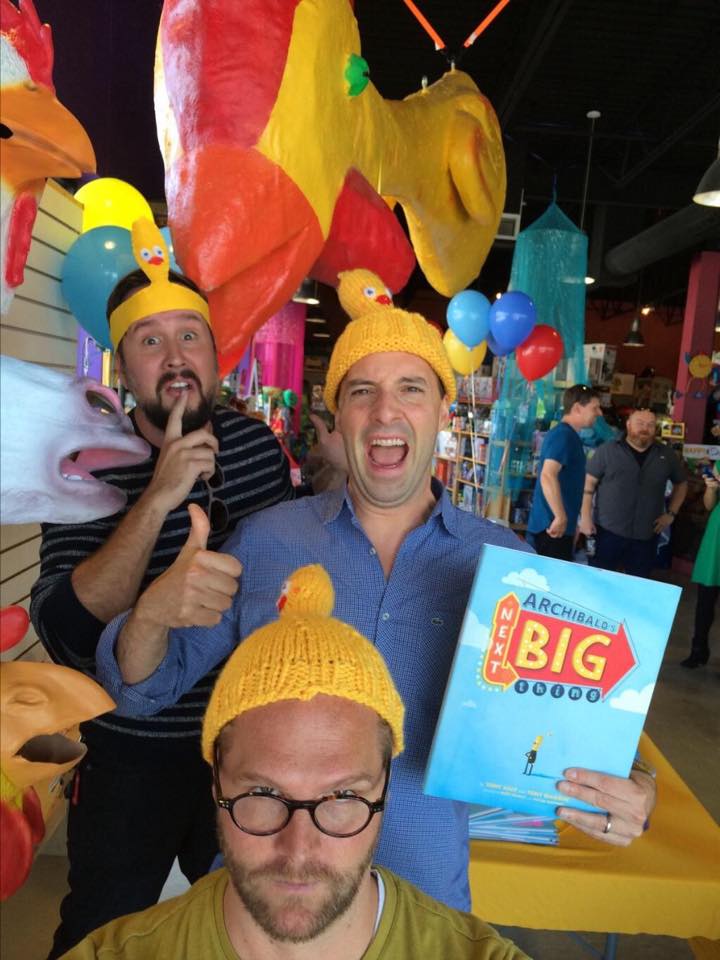
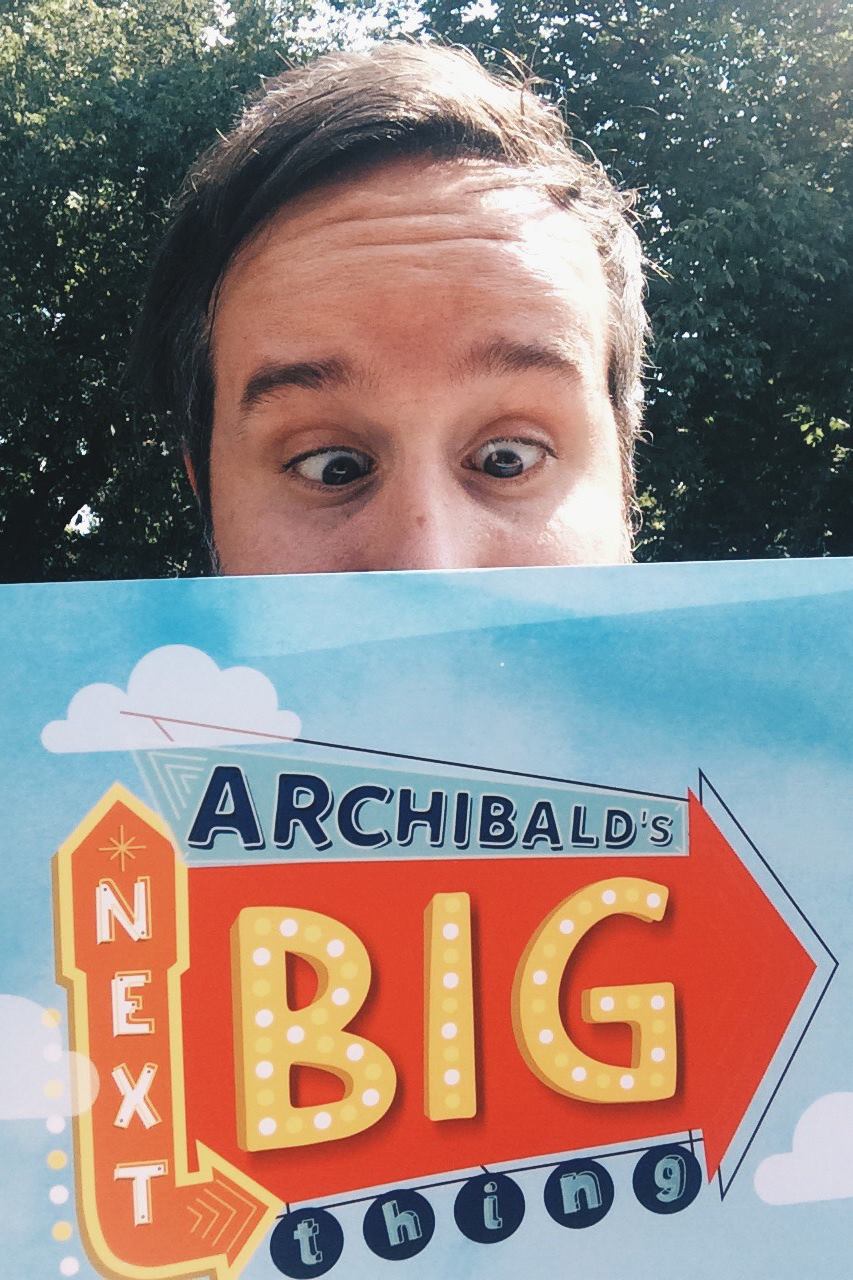
In 2015, Archibald's Next Big Thing became a children's book created with Tony Hale and Tony Biaggne, with illustration by Misty Manley and Victor Huckabee. The book gave the sketchbook character a public world: classrooms, nerves, friendship, tiny bees, and the small bravery of stepping into whatever comes next.
The physical book matters because it was the bridge from private character exploration into a story world other people could enter. It proved Archibald could hold emotion, humor, and a visual language long before the animated series arrived.
03 / Into production
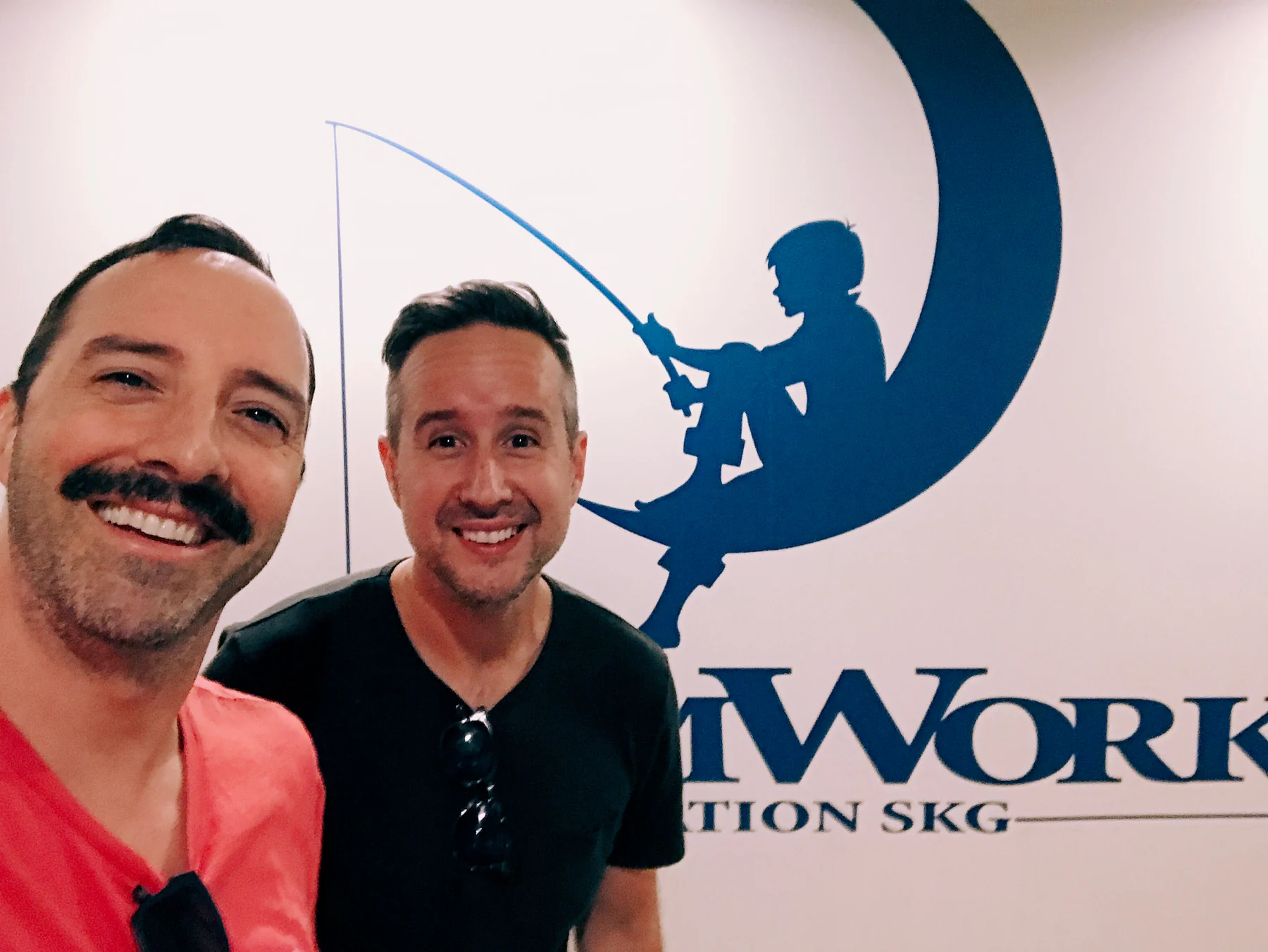
Years after the first drawing, Archibald arrived at DreamWorks Animation.
The distance between a sketchbook page and a studio wall is the whole case study in two photographs.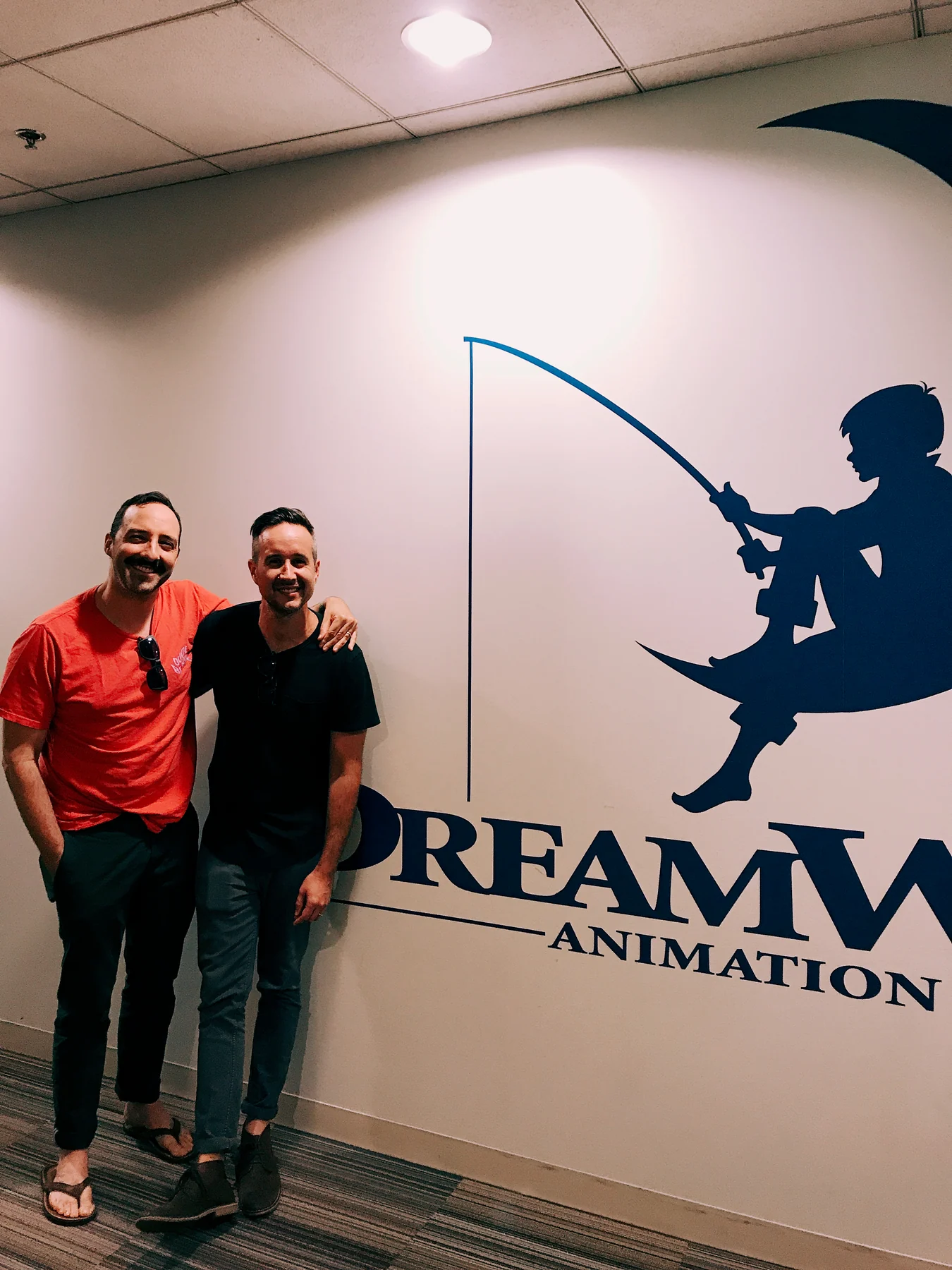
Reception & recognition
The world connected beyond the page.
The independent book became the source for a multi-season DreamWorks series. Along the way, reviewers singled out the visual craft, families embraced its generous point of view, and the animated production earned industry recognition.
Book reception · Visual design
“Really stellar illustrations, graphics and typography.”Mommy Shorts, archived by Politics & Prose
Family reception · Common Sense Selection
“This sweet series is an endearing pick for watching together as a family.”Common Sense Media
Industry recognition · 2021
An Annie Award nomination for storyboarding.
“Baritone Tea Part 1” was nominated for Storyboarding in an Animated Television/Media Production, recognizing DreamWorks storyboard artist Ben McLaughlin.48th Annie AwardsThe DreamWorks series
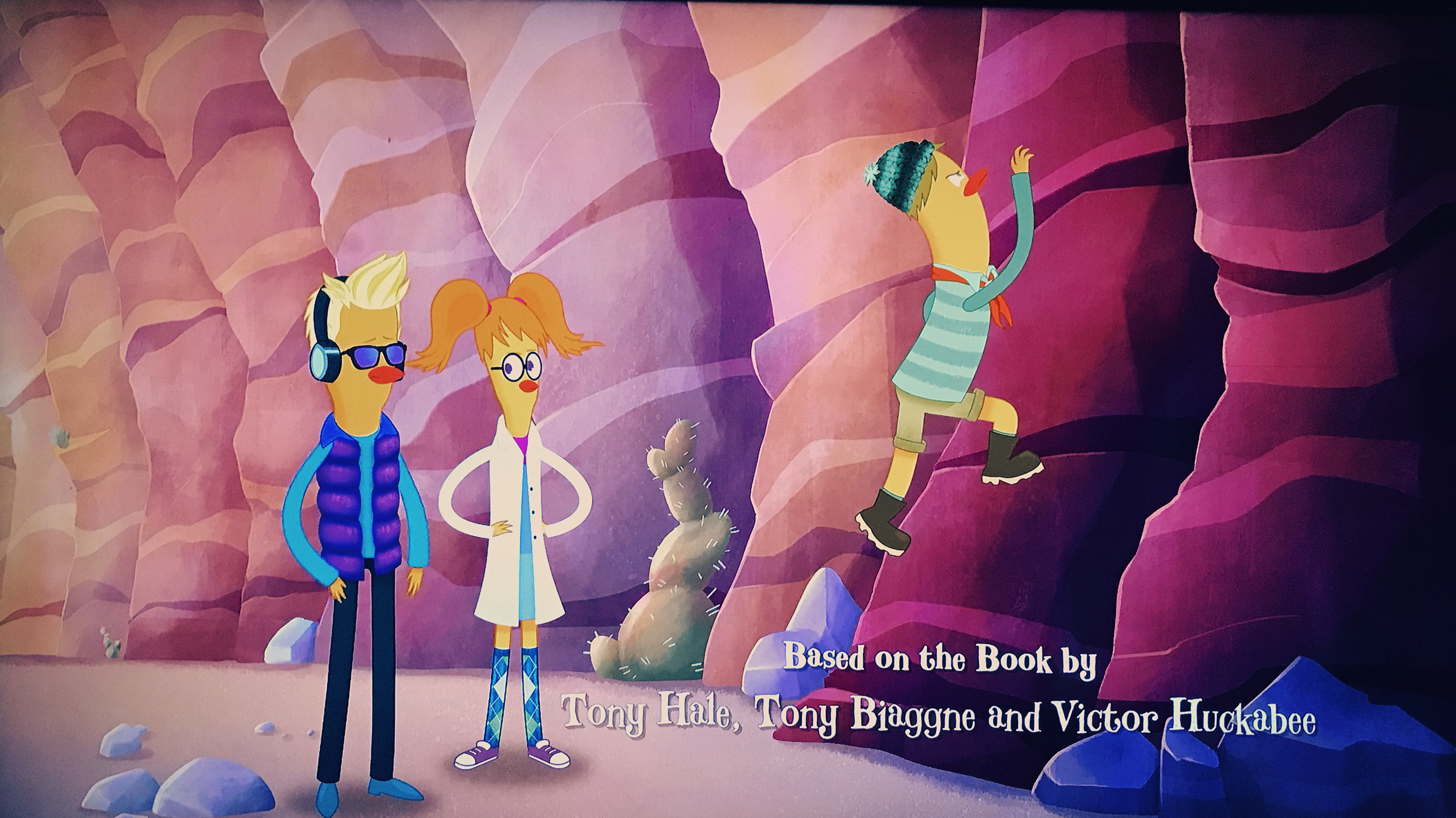
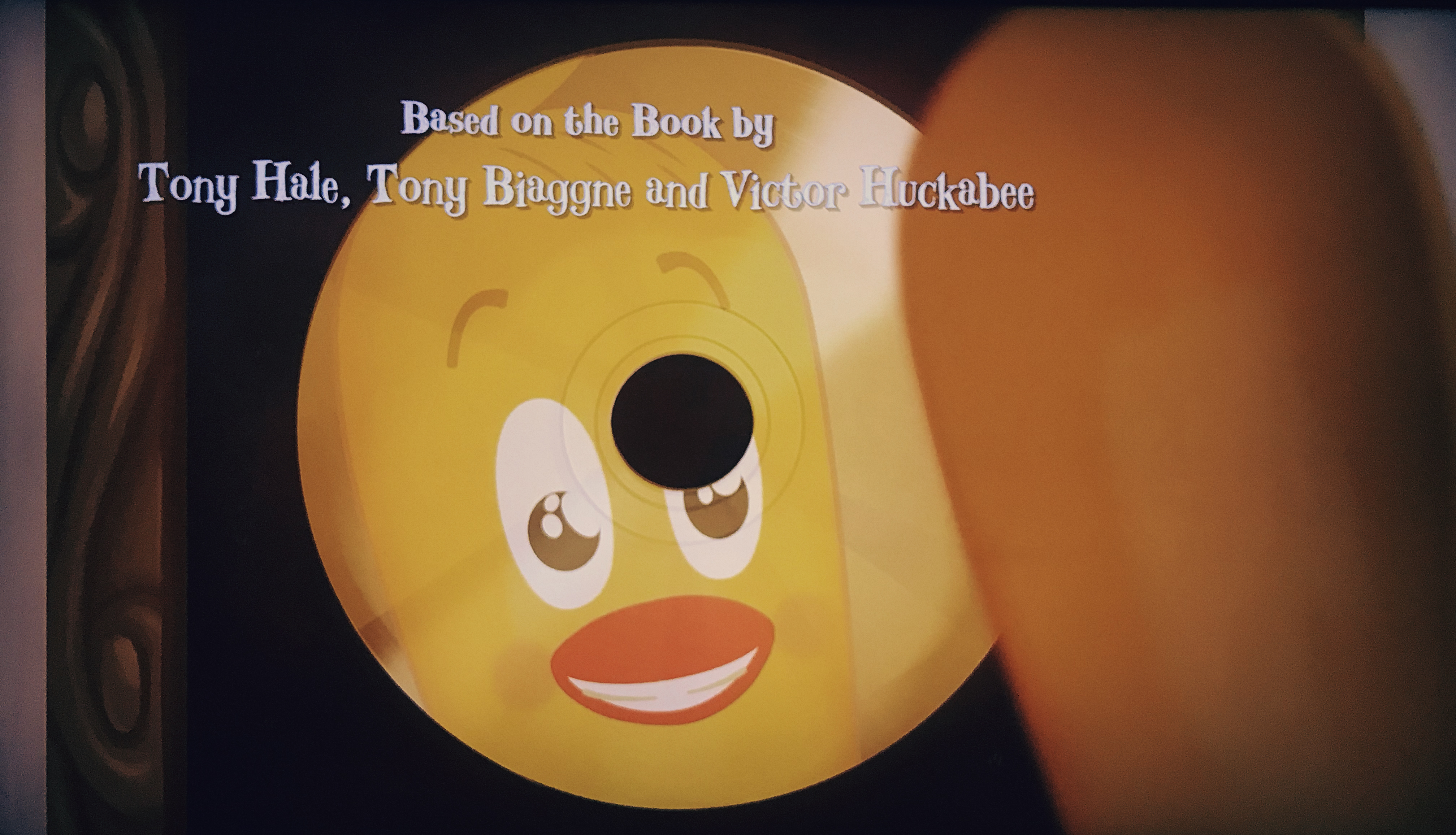
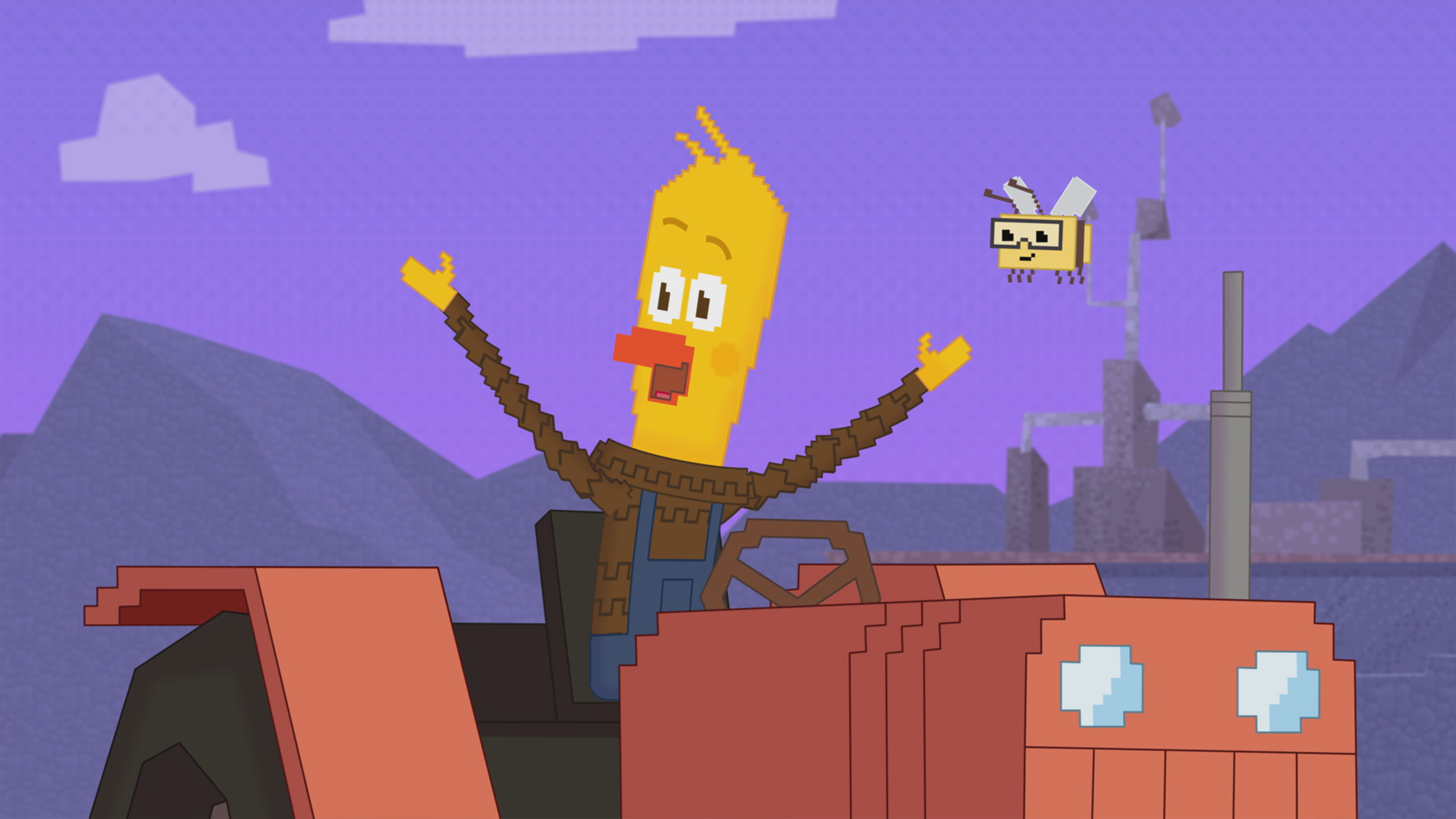
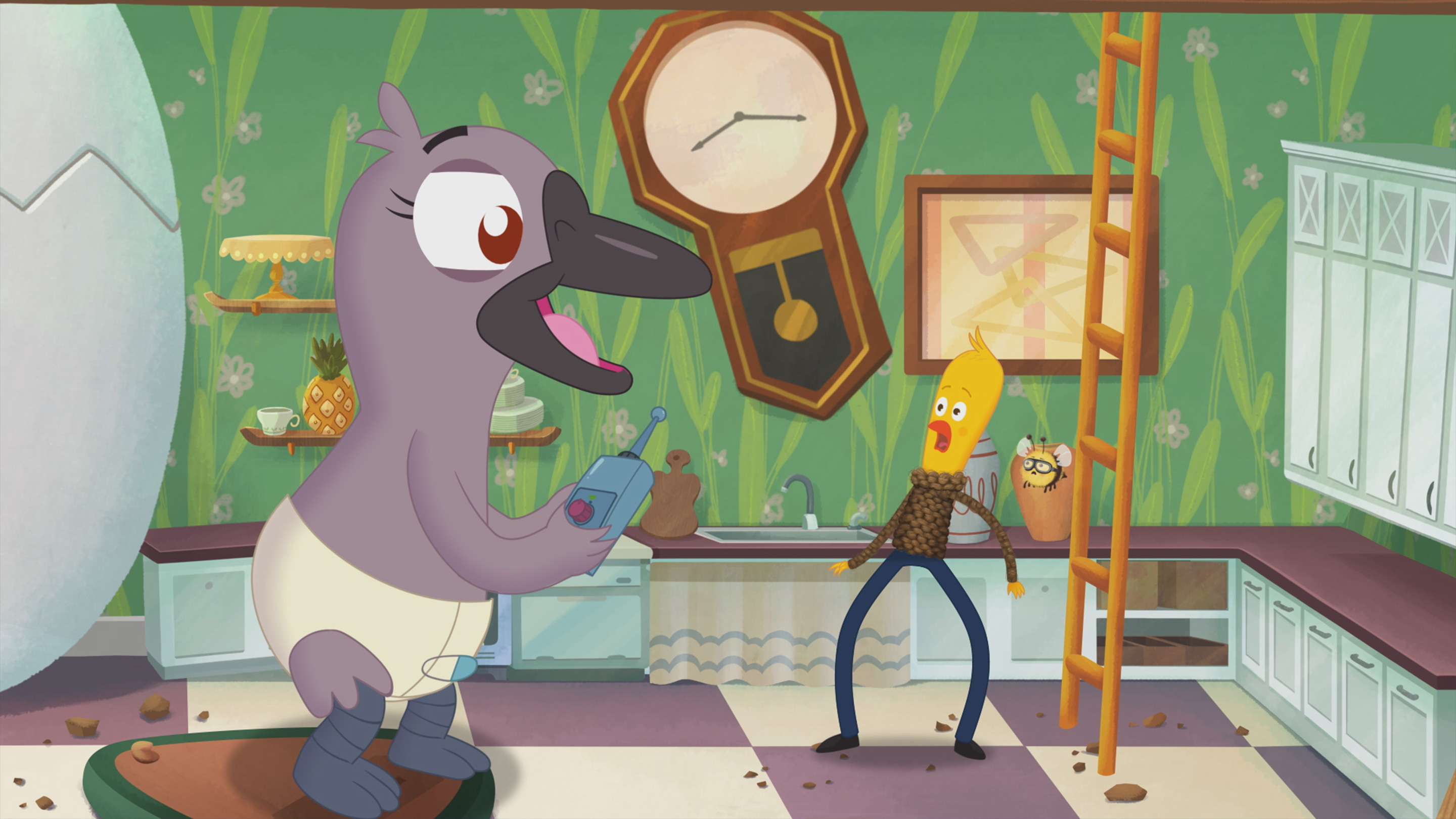
A character world built to move, perform, and keep expanding.
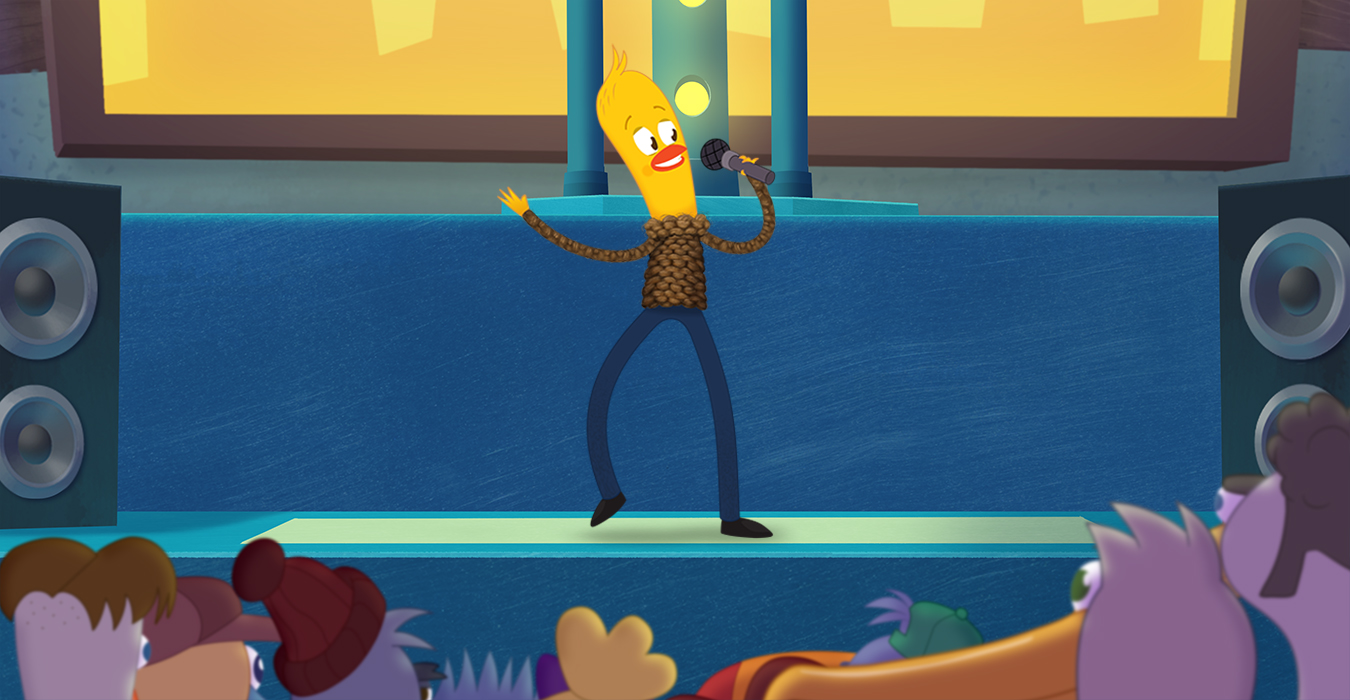
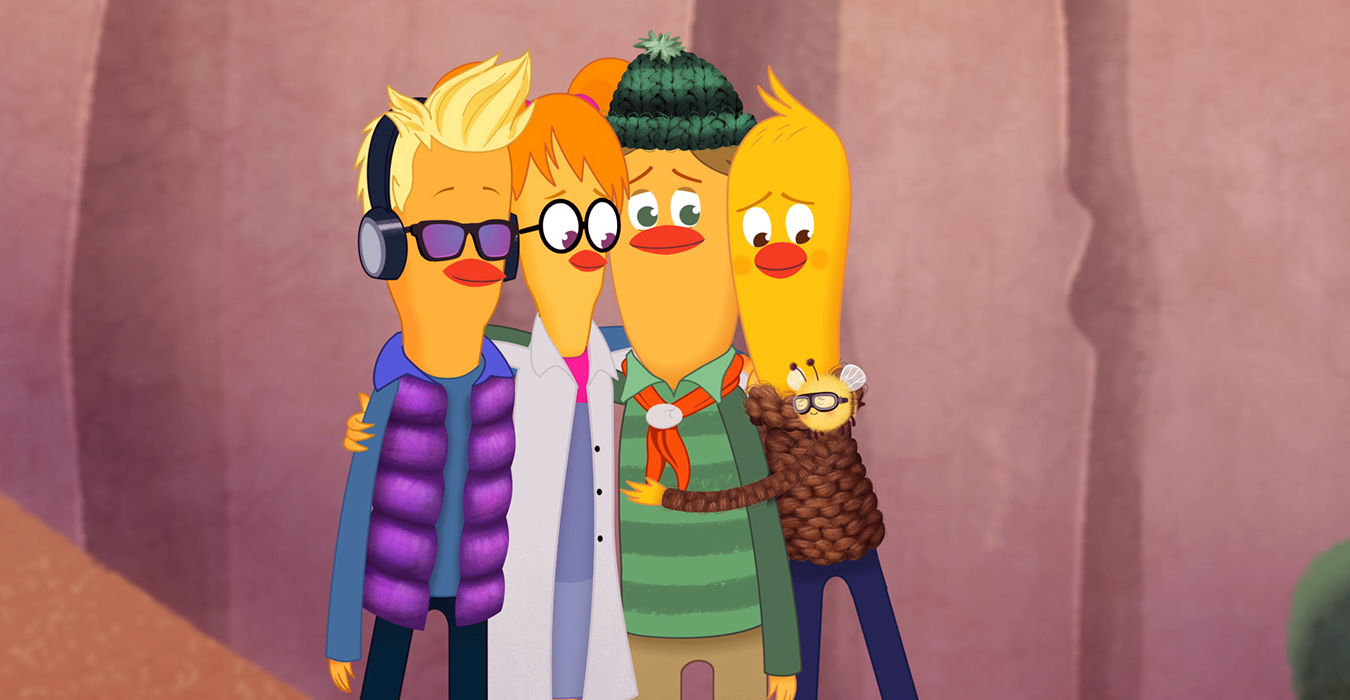
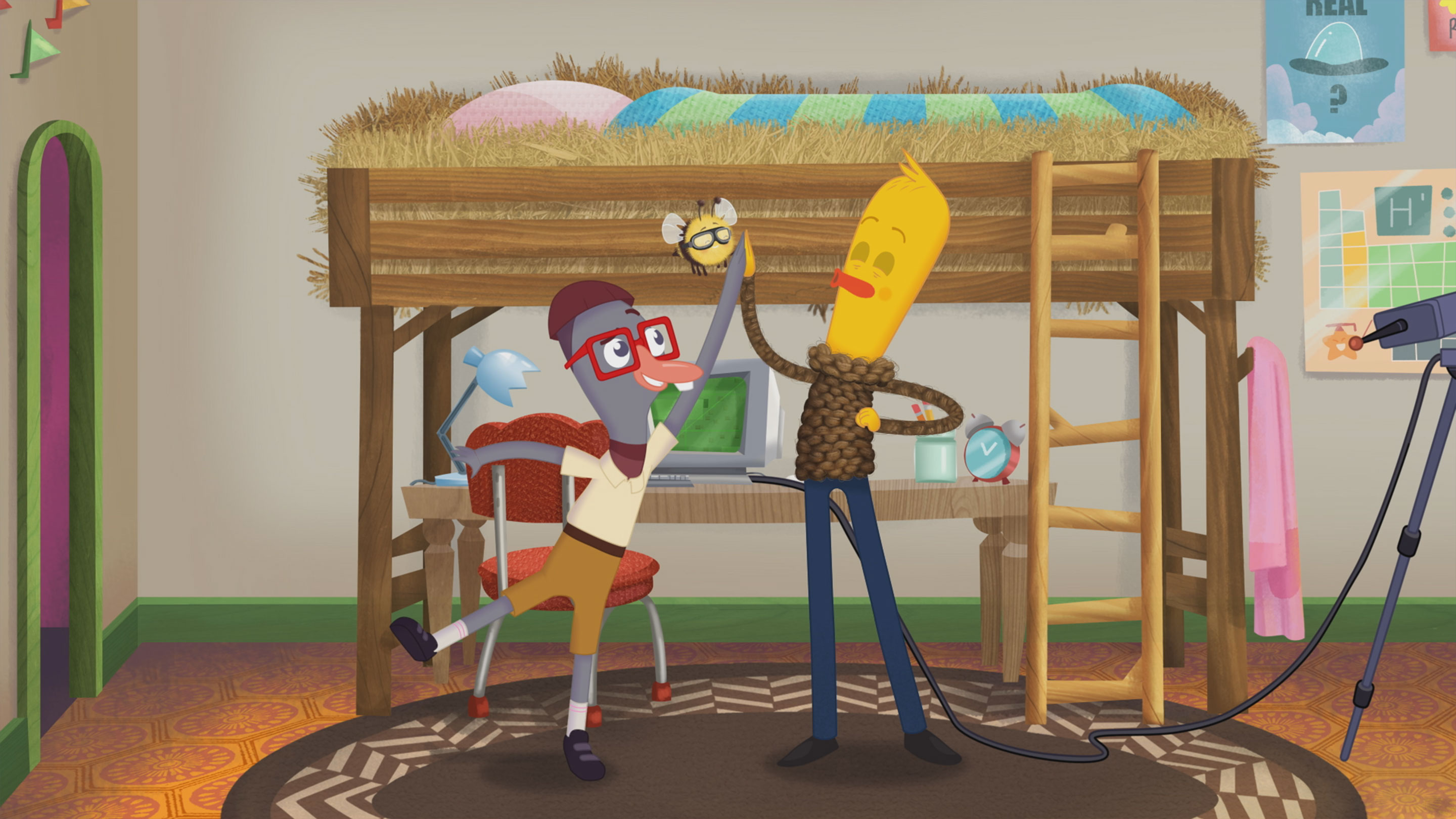
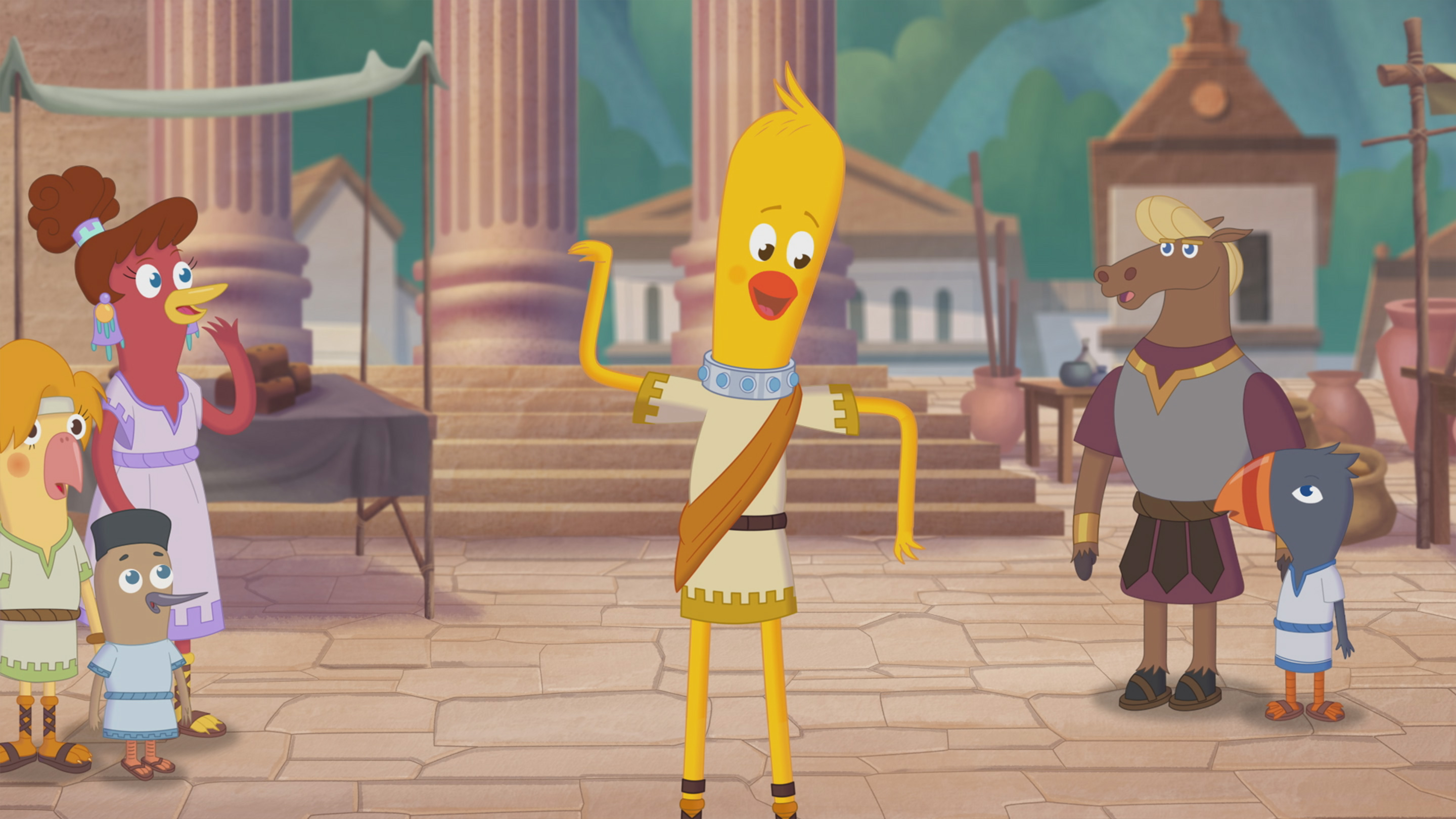
The animated adaptation opened Archibald’s world into music, performance, new environments, and a much larger ensemble while keeping the strange silhouette and generous spirit at its center.
The creative shift
The world grew without losing the weird little center.
A sketchbook character
A funny little figure with a name, a feeling, and a point of view, appearing again and again before there was a larger plan.
A story world
A book and animated series built around curiosity, optimism, friendship, and the thrill of whatever strange thing comes next.
What had to hold
A character has to carry more than a design.
Archibald needed to work as a drawing, a book character, an emotional idea, and eventually the center of a larger animated world. The shape mattered, but so did the personality: the curiosity, the kindness, the oddness, and the sense that every new problem might become an adventure.
- 01
Character origin
- 02
Name and point of view
- 03
Book storytelling
- 04
Visual worldbuilding
- 05
Animated adaptation
- 06
Long-form IP development
Original worlds
Have a character or story world that needs room to grow?
We help shape original ideas from emotional center to visual language, narrative system, and a world people can actually enter.